





What's Happening?
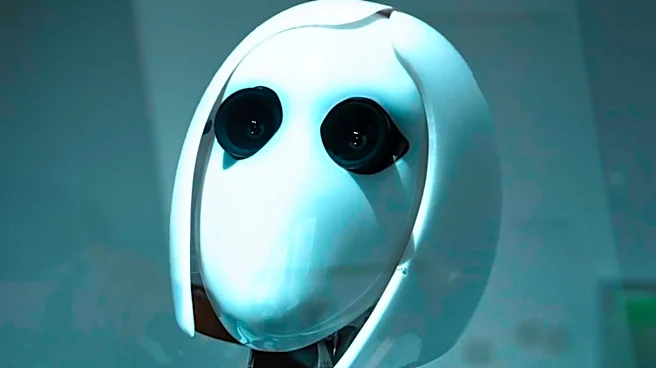
Several major U.S. airlines, including Delta Air Lines, United Airlines, and Southwest Airlines, have implemented bans on robots that resemble humans or animals from being brought onto their flights. This decision follows an incident where a man purchased
a ticket for his robot on a Southwest flight to Dallas, prompting the airline to revise its policies. The primary concern cited by these airlines is the potential safety risk posed by the lithium batteries that power these robots. The Federal Aviation Administration (FAA) has set limits on the watt-hours of batteries allowed in the cabin, and airlines are enforcing these limits strictly. Delta's policy, effective since June 18, and United's, since July 23, specifically target devices that imitate human or animal characteristics, while American Airlines has yet to announce a similar policy.
Why It's Important?
The ban on robots by major airlines highlights the ongoing challenges in balancing technological advancements with safety regulations in the aviation industry. The use of robots, particularly those with significant battery power, poses potential risks that airlines are keen to mitigate. This move could impact passengers who rely on robotic devices for assistance, as these devices are not recognized as assistive equipment under current federal law. The decision also reflects broader concerns about the integration of advanced technology in public spaces and the need for clear regulatory frameworks to address emerging safety issues. Airlines are prioritizing passenger safety, but this may lead to inconvenience for travelers who use robots for personal or medical purposes.
What's Next?
As airlines continue to enforce these bans, there may be calls for clearer guidelines and definitions regarding what constitutes a robot or toy, and how these devices should be regulated. The aviation industry might see further discussions on the balance between innovation and safety, potentially leading to new regulations or amendments to existing laws. Passengers affected by these bans may seek alternative solutions or advocate for changes in policy to accommodate their needs. Additionally, other airlines, including American Airlines, may soon announce their own policies in response to these developments.
Beyond the Headlines
The decision to ban robots on flights raises questions about the future of technology integration in everyday life and the potential for regulatory overreach. As technology continues to evolve, industries must adapt to new challenges while ensuring safety and accessibility. This situation underscores the importance of developing comprehensive policies that consider both technological advancements and the diverse needs of consumers. The aviation industry's response to this issue could set precedents for how other sectors address similar challenges in the future.