





What's Happening?
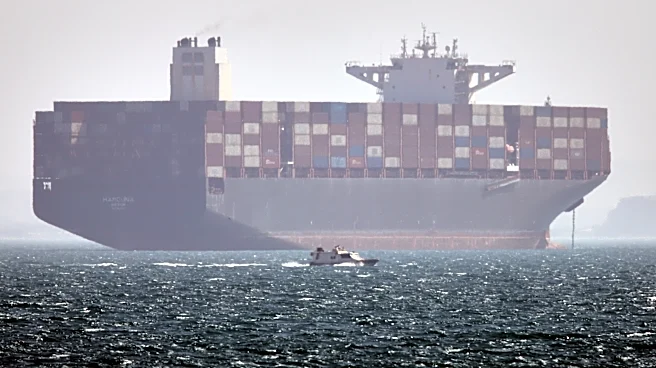
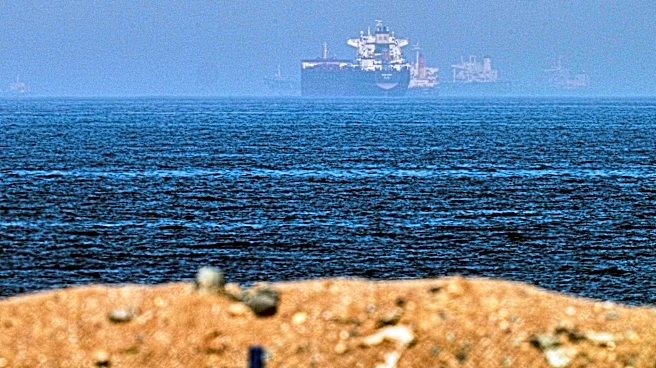
The ongoing conflict involving Iran has led to significant disruptions in the global oil supply, as blockades have effectively closed the Strait of Hormuz. This situation has caused a spike in fuel and fertilizer prices, impacting the global economy.
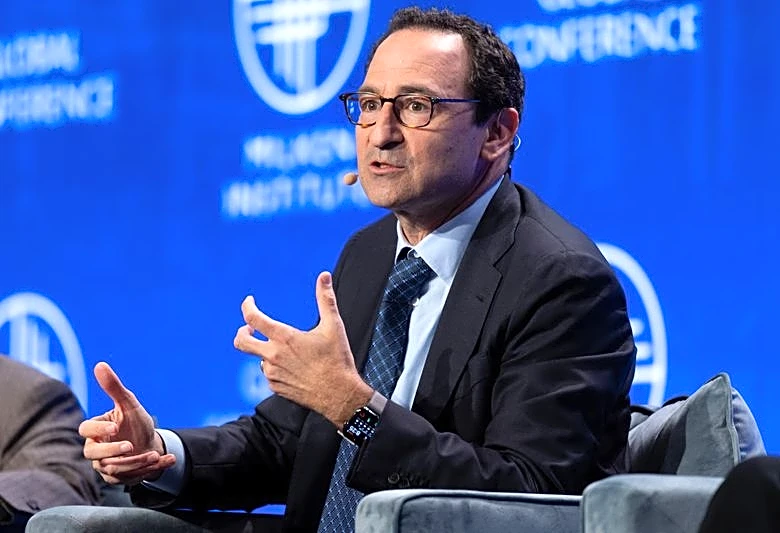
Eyck Freymann, a Hoover fellow at Stanford University, discusses the concept of economic chokepoints, which are critical points in global trade routes that can be exploited during conflicts to exert economic pressure. The current situation in the Persian Gulf exemplifies how such chokepoints can affect international trade and economic stability. Freymann also highlights the potential risks associated with other chokepoints, such as Taiwan's dominance in semiconductor production, which could have far-reaching consequences if disrupted.
Why It's Important?
The significance of economic chokepoints lies in their ability to influence global trade and economic stability. The current blockade in the Strait of Hormuz demonstrates how a single chokepoint can lead to widespread economic repercussions, including potential recessions and political backlash. The reliance on Taiwan for semiconductors further underscores the vulnerability of global supply chains. If these chokepoints are exploited, it could lead to severe economic disruptions, affecting industries and economies worldwide. The situation highlights the need for countries to diversify their supply chains and reduce dependency on single points of failure to enhance economic security.
What's Next?
Countries may need to form coalitions focused on economic security and work towards diversifying their supply chains to mitigate the risks associated with economic chokepoints. This process will require long-term strategic planning and international cooperation. The current geopolitical landscape, with multiple powerful nations, suggests that reliance on military power alone may not be sufficient to address these vulnerabilities. Instead, a comprehensive approach that includes economic strategies and international collaboration will be necessary to ensure stability and security in the global economy.