

What's Happening?
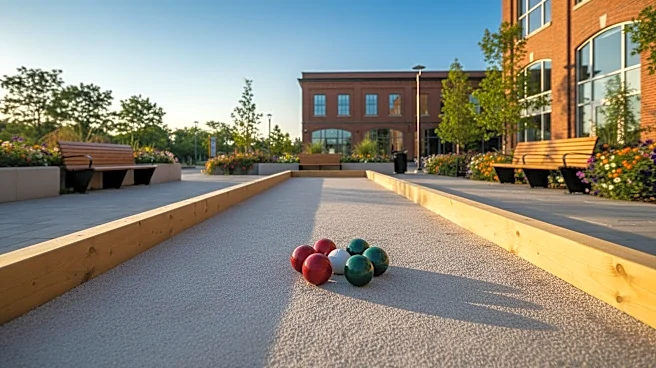
U.S. Rep. Paul Tonko participated in the groundbreaking ceremony for the new Little Italy Marketplace in Troy, New York. This project aims to transform an empty lot at 34 Hill Street into a vibrant community piazza, featuring a bocce ball court, a dog
run, an interactive sprinkler feature, and space for pop-up events. The initiative, which has secured $500,000 in state funding, seeks to revitalize the neighborhood and celebrate its rich history and the contributions of immigrants who established Little Italy. Tonko highlighted the importance of urban hubs as the core of heritage and emphasized investing in community diversity. He praised the strong work ethic of the immigrants who made the area their home and expressed anticipation for the project's completion as a testament to their power and resilience. Other officials, including Troy Mayor Carmella Mantello and Assemblyman John McDonald, also spoke at the event, underscoring the project's grassroots origins and its significance for the community.
Why It's Important?
The development of the Little Italy Marketplace is important as it represents a significant investment in urban revitalization and cultural preservation within the U.S. It underscores the value placed on community spaces that honor historical heritage while fostering modern social interaction. By creating a new piazza, the project aims to enhance the quality of life for residents, attract visitors, and stimulate local economic activity through pop-up events and increased foot traffic. This initiative also serves as a model for how local and state governments, alongside community efforts, can collaborate to transform underutilized spaces into valuable public assets. The emphasis on immigrant contributions highlights a broader recognition of the diverse cultural fabric that shapes American cities, promoting inclusivity and a sense of belonging among different community groups. Such projects can inspire similar efforts in other urban areas looking to blend historical appreciation with contemporary community needs.
What's Next?
Following the groundbreaking, construction on the Little Italy Marketplace is set to commence, with the goal of transforming the empty lot into a functional and aesthetically pleasing piazza. The project will involve the installation of various amenities, including a bocce ball court, a dog run, and an interactive sprinkler feature, alongside spaces designed for community gatherings and events. Local officials and community leaders will likely continue to oversee the development, ensuring that the project aligns with its vision of celebrating Little Italy's heritage and fostering community diversity. Once completed, the marketplace is expected to host a variety of activities, potentially including cultural festivals, local markets, and recreational events, further integrating it into the daily life of Troy residents. The success of this project could also serve as a blueprint for future urban renewal initiatives in other neighborhoods, demonstrating the positive impact of community-driven development supported by public funding.
Beyond the Headlines
Beyond the immediate benefits of a new community space, the Little Italy Marketplace project carries deeper implications for urban planning and cultural identity in the U.S. It reflects a growing trend towards creating 'third places'—spaces outside of home and work—that are crucial for social cohesion and community well-being. The project's explicit homage to immigrants and their contributions speaks to a broader societal recognition of the foundational role diverse populations play in shaping American cities. This initiative can foster a stronger sense of place esteem and collective memory, particularly for descendants of the original immigrant communities. Ethically, it highlights the importance of preserving cultural narratives within urban development, ensuring that modernization does not erase historical roots. Long-term, such projects can contribute to more resilient and inclusive urban environments, where public spaces serve as dynamic centers for cultural exchange and intergenerational connection, reinforcing the idea that heritage is a shared asset that enriches the entire community.