




What's Happening?
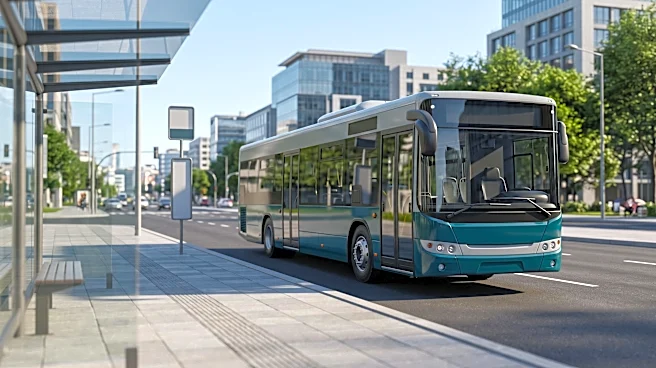
The Ann Arbor Area Transportation Authority (TheRide) and Transport Workers Union (TWU) Local 171 have successfully concluded an extended negotiation process, reaching a new collective bargaining agreement. This agreement, effective from September 17,
2026, until June 30, 2030, establishes a new framework for wages, benefits, and workplace policies for represented employees at TheRide. Key provisions include top operator wages reaching $34.37 per hour, significant pay increases for mechanics and fleet staff, expanded parental leave, additional certification compensation, attendance award programs, improved dental coverage, and favorable updates to unpaid sick time. The agreement was ratified by TWU Local 171 with over 80% approval and unanimously approved by the AAATA Board of Directors. According to Matt Carpenter, CEO of TheRide, the agreement is fair, equitable, and attainable, addressing priorities from both sides while maintaining financial and operational stability for public transportation services in the Ann Arbor-Ypsilanti area. Delisa Brown, President of TWU Local 171, highlighted the agreement as an important achievement for their members, recognizing the workforce's persistence and commitment to long-term investment in employees.
Why It's Important?
This new collective bargaining agreement is significant for the public transportation sector in the Ann Arbor-Ypsilanti area, ensuring the continued stability and quality of services provided by TheRide. By securing top wages for operators, which will remain among the highest in Michigan, and providing substantial benefits for all represented employees, the agreement aims to attract and retain skilled workers in a critical public service industry. The enhanced benefits, such as expanded parental leave and improved dental coverage, contribute to employee well-being and job satisfaction, potentially reducing turnover and fostering a more experienced workforce. For taxpayers, the agreement balances investment in employees with fiscal responsibility, aiming to deliver reliable public transportation without undue financial burden. This resolution also sets a precedent for labor relations in the region, demonstrating a successful collaborative approach between a public authority and its unionized workforce to achieve mutually beneficial outcomes, which can influence future negotiations in other public service sectors.
What's Next?
The new collective bargaining agreement is now in effect, guiding the relationship between TheRide and TWU Local 171 until June 30, 2030. Over the next few years, TheRide will implement the agreed-upon wage increases, benefit enhancements, and policy updates for its represented employees. The focus will be on ensuring that the provisions of the agreement are effectively integrated into the organization's operations and human resources practices. Both TheRide and TWU Local 171 will likely monitor the impact of these changes on employee morale, recruitment, retention, and the overall quality of public transportation services. The stability provided by this long-term agreement will allow TheRide to concentrate on its core mission of delivering reliable public transportation throughout the Ann Arbor-Ypsilanti area, potentially exploring service expansions or improvements without the immediate pressure of ongoing labor negotiations. Future discussions will likely revolve around the continued evaluation of the agreement's effectiveness and preparation for the next round of negotiations as the current term approaches its end.
Beyond the Headlines
Beyond the immediate terms, this agreement underscores the evolving landscape of labor relations in public services, particularly in the context of attracting and retaining talent in essential roles. The emphasis on competitive wages and comprehensive benefits reflects a broader recognition of the value of public sector employees and the need to invest in their well-being to ensure service continuity. The successful negotiation process, characterized by a commitment to fairness and addressing strongly held priorities from both sides, highlights the importance of constructive dialogue and compromise in labor disputes. This outcome could serve as a model for other municipalities and public transportation authorities facing similar challenges in workforce management and union negotiations. Furthermore, the agreement's long-term nature provides a period of stability that can foster innovation and strategic planning within TheRide, potentially leading to advancements in public transit infrastructure and services in the Ann Arbor-Ypsilanti region. It also reinforces the role of unions in advocating for improved working conditions and compensation, contributing to a more equitable and supportive work environment for public service providers.