





What's Happening?
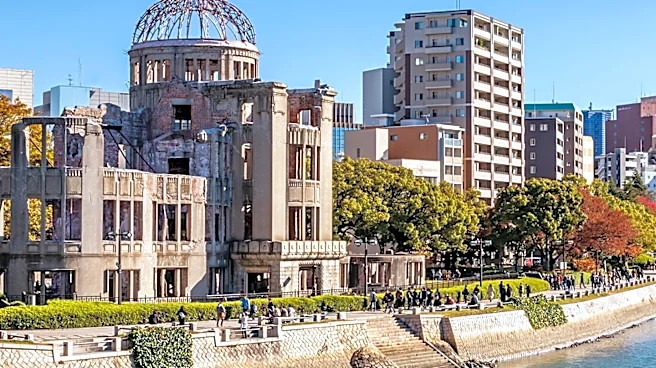
A civilian-organized International People’s Tribunal on the 1945 Atomic Bombings, convened by the Korean civic group Solidarity for Peace and Reunification of Korea (SPARK), has issued a preliminary judgment urging the U.S. government to compensate Korean victims
of the atomic bombings. The tribunal, held from November 13 to 15 at Hanshin University’s Graduate School of Theology in Seoul, concluded that the U.S. government has an obligation to provide compensation. While the judgment is not legally binding due to its civilian nature, it represents the first global attempt to hold the U.S. government accountable for its use of atomic bombs in this context. The tribunal also recommended that Japan acknowledge its historical responsibility for the harm suffered by Korean atomic bomb victims under its colonial rule, issue an official apology, and enhance historical education. Additionally, it urged the Korean government to broaden its assistance to include descendants of atomic bomb victims. The organizing committee plans to send copies of its judgment and recommendations to the governments of the U.S., Japan, and Korea.
Why It's Important?
This tribunal's judgment, though symbolic, carries significant moral and ethical weight, potentially influencing international discourse on historical accountability and victim compensation. For the U.S., it highlights a long-standing humanitarian issue that could resurface in diplomatic and human rights discussions. The call for compensation could set a precedent or at least intensify pressure for similar claims from other groups affected by historical conflicts. For Korea, it underscores the ongoing efforts by civil society to seek justice for historical grievances, potentially impacting its foreign relations with both the U.S. and Japan. The recommendation for Japan to acknowledge its historical responsibility also touches upon sensitive historical issues in East Asia, which frequently affect regional stability and diplomatic ties. The involvement of a civic group like SPARK demonstrates the persistent role of non-governmental organizations in advocating for human rights and historical justice, even when official channels are slow or unresponsive.
What's Next?
The organizing committee of the tribunal intends to formally submit its preliminary judgment and recommendations to the governments of the U.S., Japan, and Korea. This action will likely prompt official responses, though the nature of these responses remains to be seen, especially given the non-binding nature of the tribunal's findings. The U.S. government will face renewed calls to address the issue of compensation for Korean atomic bomb victims, potentially leading to internal discussions or public statements. Japan may also be pressed to respond to the recommendations regarding its historical responsibility and apologies. For the Korean government, the tribunal's call to expand assistance to descendants of victims could lead to policy reviews or new legislative initiatives. This event could also inspire other victim groups globally to pursue similar civilian tribunals to seek recognition and redress for historical injustices, further shaping international human rights advocacy.
Beyond the Headlines
The tribunal's initiative delves into the complex ethical and legal dimensions of wartime actions and their long-term consequences, particularly concerning civilian casualties and post-war reparations. It raises fundamental questions about state responsibility for historical harms, even decades after the events. The distinction between legally binding judgments and morally persuasive recommendations is crucial here, highlighting the role of civil society in pushing boundaries where international law might be slow to act. This event also reflects the enduring impact of historical trauma on affected communities and the persistent struggle for recognition and justice. The tribunal's focus on the descendants of victims broadens the scope of historical accountability, suggesting that the effects of such events can span generations. This could contribute to a global shift in how historical injustices are addressed, moving towards a more inclusive understanding of victimhood and the responsibilities of states.