



What's Happening?
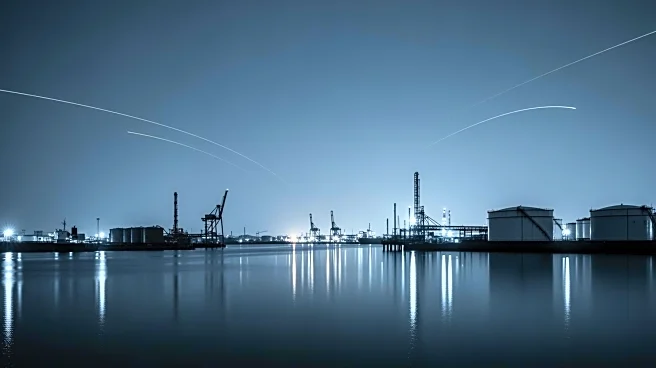
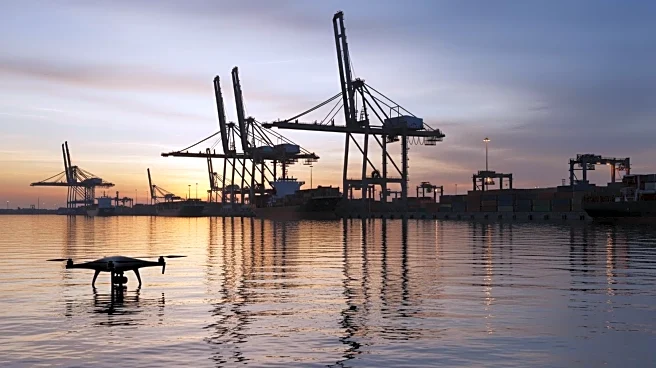
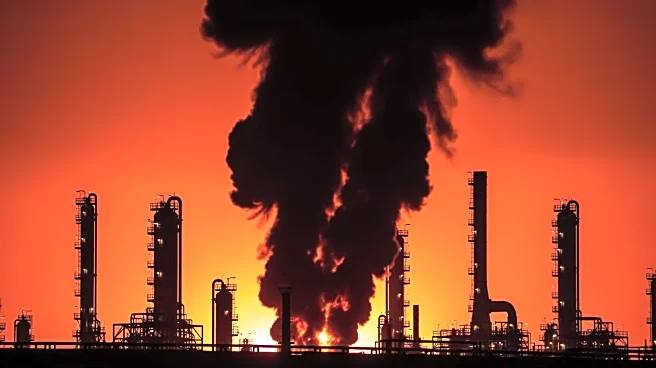
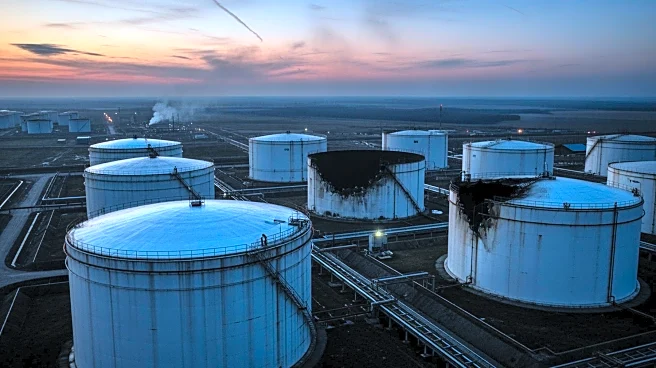
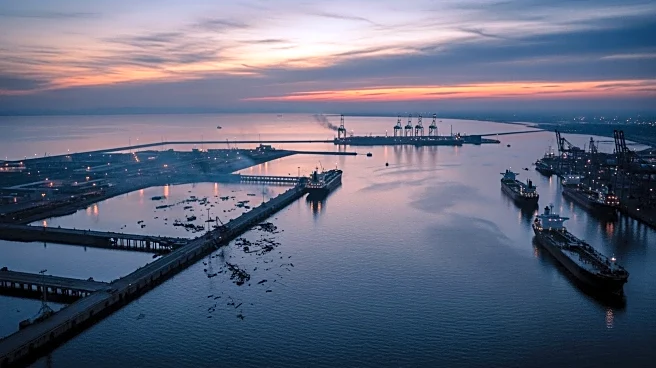
Russia's Ust-Luga port, a major petroleum export hub, was damaged by a Ukrainian drone attack, causing a fire that was later controlled. This incident follows a series of drone strikes targeting Russia's western energy corridor, including the ports of Ust-Luga and
Primorsk. The attacks have disrupted oil and oil product loadings, impacting Russia's oil export capabilities. The regional governor reported that additional firefighting resources were deployed to manage the blaze. Ukraine's SBU security agency claimed responsibility, stating that the attack caused significant damage to an oil terminal. The port, operated by Transneft, handles substantial oil exports, and the recent disruptions coincide with rising global oil prices due to the ongoing Iran war.
Why It's Important?
The attack on Ust-Luga port is significant as it affects one of Russia's largest petroleum export facilities, potentially impacting global oil supply and prices. As the world's second-largest oil exporter, disruptions in Russia's oil exports can have far-reaching economic implications, particularly in the context of already high oil prices. The incident also highlights the ongoing geopolitical tensions between Ukraine and Russia, with potential repercussions for international energy markets and political relations. The use of drones in warfare represents a shift in military tactics, emphasizing the need for enhanced security measures at critical infrastructure sites.
What's Next?
The immediate focus will be on assessing the full extent of the damage and restoring operations at the Ust-Luga port. Russia may increase security measures at its energy facilities to prevent further attacks. The international community will likely monitor the situation closely, given its potential impact on global oil markets. Further escalation in drone attacks could lead to increased tensions between Ukraine and Russia, with possible diplomatic or military responses. The situation may also influence global energy policies and strategies, as countries seek to mitigate the risks of supply disruptions.