

What's Happening?
Puerto Rico is set to implement water rationing measures across San Juan and several other major cities due to a severe drought. Starting Friday, over 180,000 customers will face 48-hour water cutoffs on an alternating schedule. Governor Jenniffer González
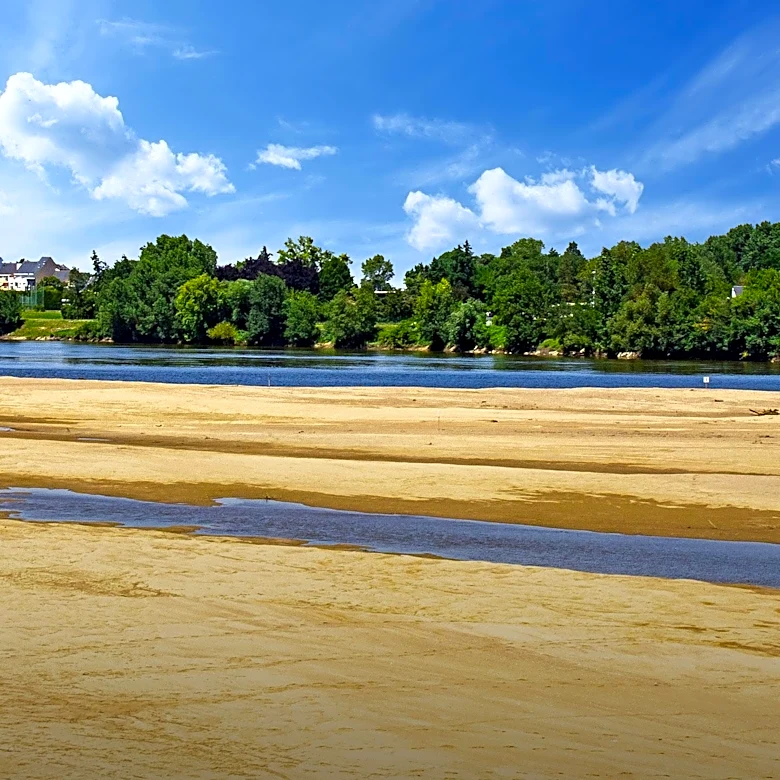
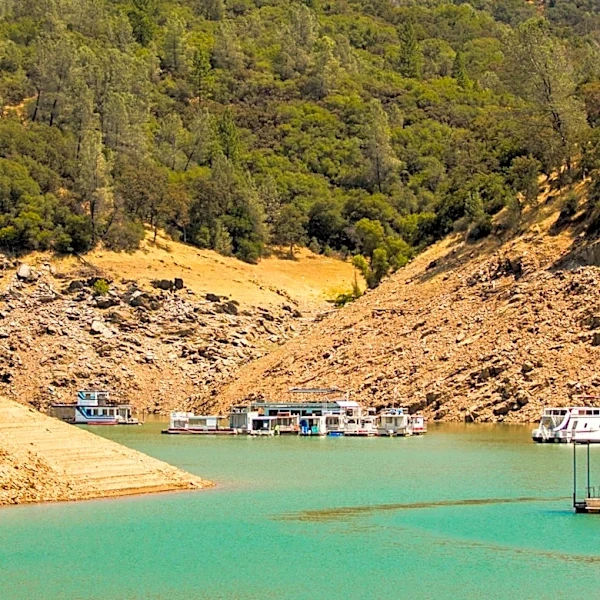
has acknowledged the gravity of the situation, attributing the crisis to persistent weather conditions. July marked the driest month on record for San Juan in over 120 years, with nearly 25% of Puerto Rico experiencing severe drought. The rationing will extend to neighborhoods in Carolina, Juncos, Gurabo, Trujillo Alto, Canovanas, and Loiza. To mitigate the impact, large trucks will distribute potable water, prioritizing hospitals and residences for older people. The chronic lack of water has prompted legal actions, with San Juan Mayor Miguel Romero suing the island’s Water and Sewer Authority over longstanding shortages.
Why It's Important?
The water crisis in Puerto Rico highlights the vulnerability of the island's infrastructure to extreme weather conditions, exacerbated by climate change. The rationing measures underscore the urgent need for investment in water infrastructure and maintenance. The situation poses significant challenges for residents, particularly the elderly and bedridden, who face difficulties in accessing water. The crisis also raises concerns about public health and the ability of hospitals and health centers to operate effectively. The legal actions taken by local leaders reflect growing frustration and demand for accountability from the authorities responsible for water management.
What's Next?
The duration of the water rationing measures remains uncertain, as authorities continue to monitor weather conditions and the impact of the drought. The government may need to explore long-term solutions to improve water infrastructure and resilience against future droughts. Legal actions by local leaders could lead to increased scrutiny and pressure on the Water and Sewer Authority to address the underlying issues. The situation may also prompt discussions on climate adaptation strategies and the need for federal support to enhance Puerto Rico's infrastructure.