






What's Happening?
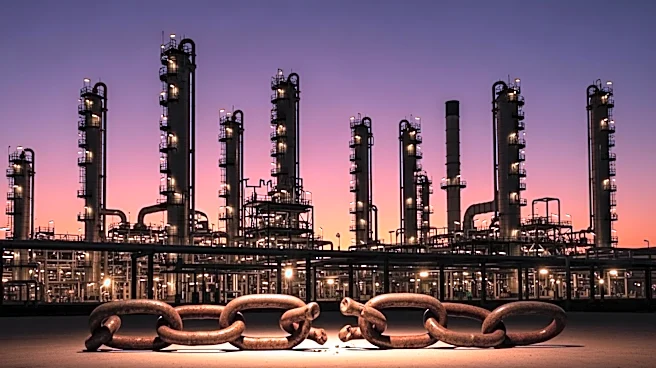
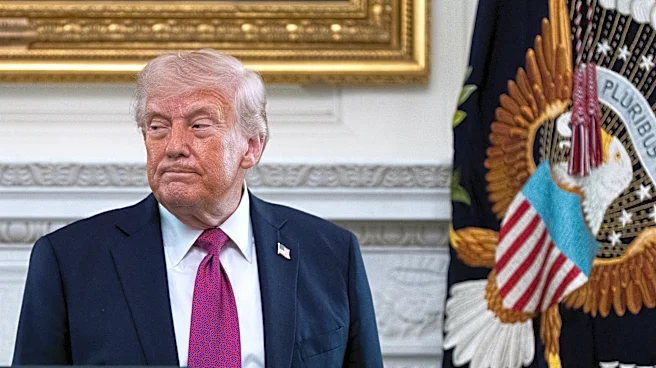
The Trump administration has imposed economic sanctions on a major China-based oil refinery and approximately 40 shipping companies involved in the transportation of Iranian oil. This action is part of a broader strategy to cut off Iran's oil revenue,
a key source of funding for its military activities. The sanctions target Hengli Petrochemical's facility in Dalian, which has been receiving Iranian crude oil since 2023. The move is intended to enforce compliance with U.S. sanctions and deter other entities from engaging in similar trade with Iran.
Why It's Important?
These sanctions highlight the U.S.'s aggressive stance on enforcing its foreign policy objectives through economic measures. By targeting a significant Chinese refinery, the U.S. is sending a strong message to international businesses about the risks of engaging with sanctioned entities. This could lead to increased tensions between the U.S. and China, especially as both countries are major players in the global economy. The sanctions also underscore the U.S.'s commitment to isolating Iran economically, which could have broader implications for international trade and diplomatic relations.
What's Next?
The sanctions are likely to strain U.S.-China relations, particularly as President Trump and China's President Xi Jinping are scheduled to meet soon. The U.S. may face diplomatic pushback from China, which has historically opposed unilateral sanctions. Additionally, the global energy market may experience further disruptions as companies adjust to the new restrictions. The U.S. may continue to monitor and enforce compliance, potentially expanding sanctions to other entities involved in the Iranian oil trade.