







What's Happening?
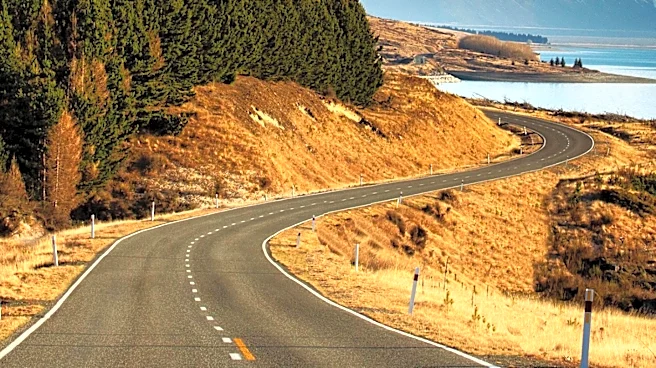
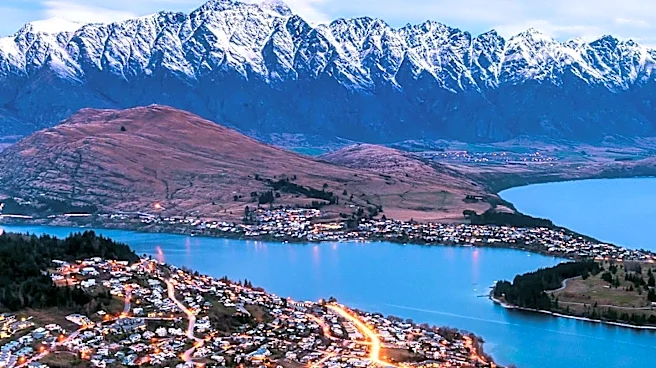
Queenstown, New Zealand, a popular tourist destination known for its alpine scenery and adventure activities, is facing significant infrastructure challenges, particularly concerning traffic congestion. Residents report daily commutes that should take
minutes extending to hours, indicating a growing imbalance between the town's rapid development and its infrastructure capacity. While growth is attributed to people wanting to live, work, and visit the area, the existing roads and public transport systems are struggling to keep pace. Proposals such as a gondola system, increased bus and ferry services, and active transport initiatives are being considered to alleviate the strain. The government has acknowledged the issue, with recent announcements including an election commitment to four-lane a section of State Highway 6 and the potential eligibility of gondola projects for public transport funding. This situation highlights a long-standing issue where infrastructure investment has not matched the rate of growth, especially given the high proportion of international visitors the town's infrastructure supports.
Why It's Important?
The infrastructure challenges in Queenstown have broad implications for its residents, tourism industry, and the national economy. For residents, the severe traffic congestion significantly impacts daily life, leading to increased commute times and potentially affecting quality of life. This strain on local services could also deter future residents and workers, exacerbating labor shortages in key sectors. For the tourism industry, which Queenstown heavily relies on, inadequate infrastructure can diminish the visitor experience, potentially leading to a decline in tourism revenue. This is particularly critical as approximately 75% of Queenstown's visitors are from overseas, a much higher proportion than other New Zealand cities. The ongoing debate around a local visitor levy, or 'bed tax,' underscores the financial burden on local ratepayers to fund infrastructure that largely serves tourists. A sustainable solution is crucial to maintain Queenstown's appeal as a global destination and ensure its continued economic contribution to New Zealand.
What's Next?
The immediate future for Queenstown will likely involve continued discussions and potential implementation of various transport solutions. The commitment to four-lane a section of State Highway 6 and the consideration of gondola projects for public transport funding suggest that both central and local governments are beginning to prioritize these issues. Stakeholders, including local government, businesses, and residents, will need to collaborate on smart planning and infrastructure investment. The ongoing conversation about a visitor levy will also be critical, as it could provide a sustainable funding mechanism for infrastructure development, shifting some of the financial responsibility to the tourists who utilize these services. Furthermore, addressing the housing shortage will be integral to the transport conversation, as it directly impacts where people live and how they commute. The effectiveness of these measures will determine whether Queenstown can successfully manage its growth and maintain its status as a premier destination.
Beyond the Headlines
The situation in Queenstown reflects a broader challenge faced by many popular tourist destinations globally: balancing economic growth driven by tourism with the preservation of local quality of life and environmental sustainability. The reliance on a 'bed tax' or visitor levy highlights an ethical dimension of tourism, questioning who should bear the cost of infrastructure development in areas heavily impacted by visitors. This also touches upon the concept of 'overtourism' and the need for sustainable tourism models that consider the long-term well-being of both the environment and local communities. The struggle to keep infrastructure pace with growth can lead to social tensions between residents and the tourism industry. Ultimately, Queenstown's approach to these challenges could serve as a case study for other destinations grappling with similar issues, emphasizing the importance of integrated planning that considers economic, social, and environmental factors.