





What's Happening?
The National Oceanic and Atmospheric Administration (NOAA) has released its 2026-2027 U.S. Winter Outlook, indicating a very strong El Niño event is expected to influence weather patterns across the country. This forecast, covering December 2026 through
February 2027, suggests that wetter-than-average conditions are highly probable across the southern United States, including the Southeast and along the East Coast. Near-normal temperatures are favored for parts of the Southeast, such as Florida, while warmer-than-average conditions are anticipated across much of the eastern U.S., Midwest, Mississippi Valley, Pacific Northwest, northern California, and Alaska. NOAA's Climate Prediction Center has issued an El Niño Advisory, noting the climate pattern's continued intensification and projecting an over 83% chance of strong-to-very strong El Niño conditions persisting through January-March 2027. Two significant updates to this outlook are scheduled for November 12 and November 19, 2026, to provide further details on the evolving climate pattern.
Why It's Important?
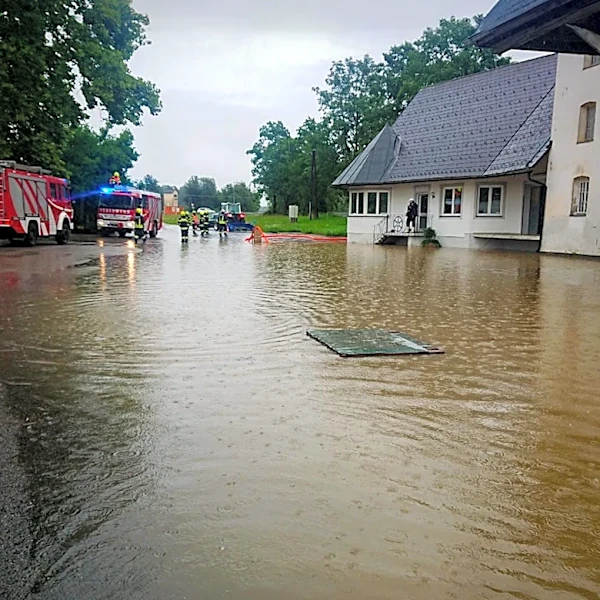
A strong El Niño event carries significant implications for various sectors across the U.S. The forecast of wetter conditions in the Southeast and along the East Coast could lead to increased risks of flooding, particularly in areas with previously dry soil, as warned by Ken Graham, director of NOAA's National Weather Service. This could impact agriculture, infrastructure, and local economies, potentially causing disruptions and requiring emergency preparedness. Conversely, the expected improvement or end of drought conditions in regions like the Southwest, Southern Great Plains, and parts of the Southeast could benefit water resources and agricultural productivity in those areas. Businesses reliant on weather-sensitive operations, such as construction, transportation, and outdoor recreation, may need to adjust their planning. The regional nature of the forecast means that while specific local impacts are not detailed, stakeholders across the affected regions should prepare for potential shifts in precipitation and temperature patterns.
What's Next?
NOAA's Climate Prediction Center is scheduled to release its next El Niño-Southern Oscillation discussion on November 12, 2026, which will provide an updated assessment of the climate pattern's development. Following this, NOAA will issue its next three-month outlook update on November 19, 2026. These updates will offer more refined information regarding the anticipated weather conditions for the winter season. Communities and individuals are advised to plan ahead for the upcoming winter, as emphasized by Ken Graham. NOAA has also announced that its Probabilistic Precipitation Portal is operational and that selected Blizzard Warnings and Ice Storm Warnings may use the designation 'Particularly Dangerous Situation' during the season, indicating a heightened level of alert for severe weather events.
Beyond the Headlines
The anticipated strength of this El Niño event, with probabilities of reaching historic levels, underscores the increasing variability and intensity of global climate patterns. While NOAA's forecast provides regional expectations, the specific impacts on individual communities, such as Columbus, Georgia, remain subject to local meteorological factors. The caution from the Climate Prediction Center that impacts are not guaranteed, even with a strong El Niño, highlights the complexities of long-range weather forecasting and the need for continuous monitoring. This event could serve as a critical test for regional and national disaster preparedness and response systems, particularly concerning flood mitigation and drought management strategies. The broader implications extend to climate research, as scientists will analyze this strong El Niño to better understand and predict future climate phenomena and their societal consequences.