




What's Happening?
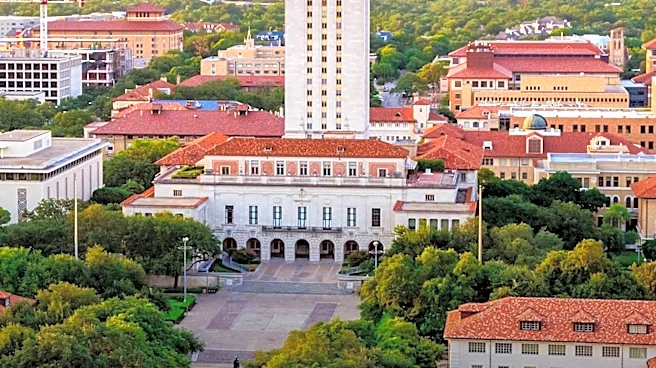
Researchers at The University of Texas at San Antonio (UTSA), led by Chen Pan, Ph.D., assistant professor of electrical engineering, have developed a self-sustaining, artificial intelligence-powered flood warning system. This field-ready prototype is designed
to detect dangerous water accumulation at street level, offering a more accurate and swifter warning system for hyperlocal flash floods. The system integrates solar energy harvesting, multisensor environmental tracking, long-range wireless radios, and on-device machine learning. Unlike traditional Internet of Things (IoT) sensors that rely on cloud servers for data processing, Pan's system utilizes TinyML to run machine learning algorithms directly on small, low-power microcontrollers. This on-device AI evaluates current and recent sensor data to predict imminent flood risk without needing a central server, ensuring functionality even if cell towers or internet connections fail during a storm. The prototype combines temperature, humidity, light, and precipitation sensing with four optical water-level sensors, achieving high reliability through multimodal sensing.
Why It's Important?
This innovative flood warning system is crucial for communities, particularly in areas prone to sudden and localized flooding like Texas, where regional alerts often miss hyperlocal events. The self-sustaining nature of the device, powered by solar energy and equipped with long-range wireless communication (LoRa technology), ensures its operation during power outages and severe weather conditions when traditional infrastructure might fail. By providing timely and accurate warnings, the system can significantly enhance public safety and reduce property damage. The ability to detect flood risks at street level and visualize potential flood paths through an interactive web dashboard allows emergency responders to make informed decisions quickly, such as dispatching crews, closing dangerous roads, or issuing targeted neighborhood warnings. This technology addresses the limitations of existing commercial flood-monitoring stations, which are often expensive and reliant on grid power or frequent battery replacements, making them vulnerable during prolonged storms.
What's Next?
Dr. Pan is currently pursuing patent protection for the hardware architecture of the flood warning system. The team's next steps involve refining the design to create a sleeker, weatherized commercial product. The goal is to make this technology accessible and deployable by various entities, including small coastal municipalities, homeowners' associations, agricultural operations, and industrial sites. The researchers aim to get this technology deployed in areas where it is most needed, such as along the Gulf Coast, across rural Texas counties, and in urban drainage basins. The system's low cost, with parts for one sensing station ranging from $150 to $220, makes it a viable option for widespread implementation, potentially offering early awareness to a broader range of communities to enhance safety during flood events.
Beyond the Headlines
The development of this AI-powered, self-sustaining flood warning system represents a significant advancement in disaster preparedness and resilience, particularly in the face of increasing severe weather events linked to climate change. By decentralizing data processing through TinyML, the system offers a robust solution that is less susceptible to infrastructure failures, a critical consideration during natural disasters. This approach highlights a broader trend in technology towards edge computing and localized AI, where intelligence is brought closer to the data source, enabling faster decision-making and greater autonomy. Furthermore, the project underscores the importance of interdisciplinary collaboration, involving electrical engineering, computer science, and civil engineering experts. The focus on affordability and ease of deployment also suggests a model for developing practical, impactful technological solutions that can be adopted by a wide array of communities, fostering greater equity in access to advanced warning systems.