



What's Happening?
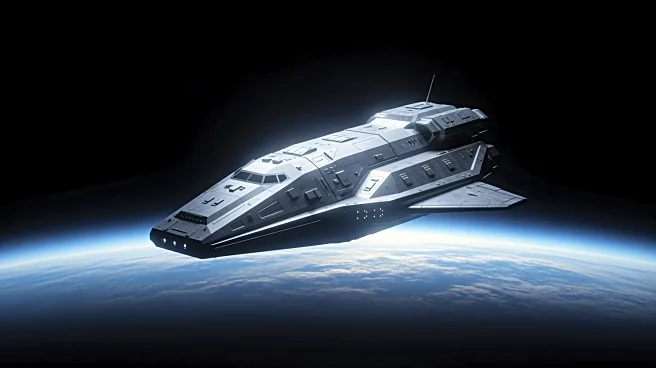
Northrop Grumman's Cygnus XL cargo spacecraft is scheduled to depart the International Space Station (ISS) on March 12, concluding a nearly six-month mission. The spacecraft, which launched on September 14 aboard a SpaceX Falcon 9 rocket, delivered approximately
11,000 pounds of scientific equipment and supplies to the ISS. The Cygnus XL, named S.S. William 'Willie' McCool, experienced an engine glitch during its journey but successfully reached the ISS. The spacecraft will be released from the ISS using the Canadarm2 and is expected to re-enter Earth's atmosphere safely over the South Pacific Ocean.
Why It's Important?
The successful mission of the Cygnus XL highlights the ongoing collaboration between private companies and NASA in supporting the ISS. The ability to deliver and return significant cargo loads is crucial for the continued operation and research activities aboard the space station. The mission also demonstrates the resilience and adaptability of the Cygnus XL, which overcame technical challenges to complete its objectives. As one of the key cargo spacecraft servicing the ISS, Cygnus plays a vital role in maintaining the station's supply chain and supporting scientific research that benefits both space exploration and life on Earth.
What's Next?
Following the departure of the Cygnus XL, NASA and Northrop Grumman will likely analyze the mission's performance to identify any areas for improvement. The data collected during the mission will inform future cargo deliveries and help enhance the reliability of the Cygnus spacecraft. As the ISS continues to serve as a hub for international collaboration and research, the role of cargo spacecraft like Cygnus will remain critical. Future missions will focus on delivering essential supplies and supporting new scientific experiments, contributing to the overall success of the ISS program.