
What's Happening?
The Trump administration is facing accusations of promoting a sanitized version of American history, specifically concerning a memorial to the Confederacy formerly located in Arlington National Cemetery.
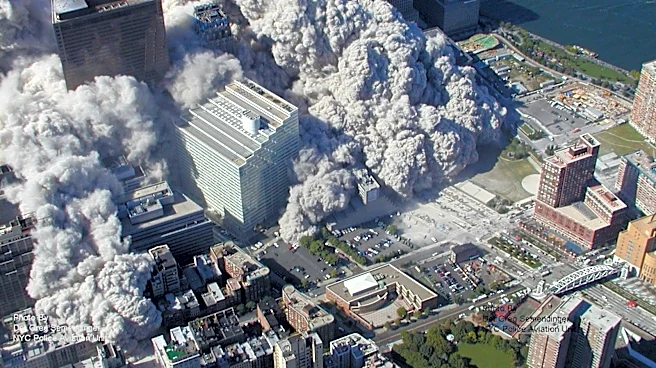
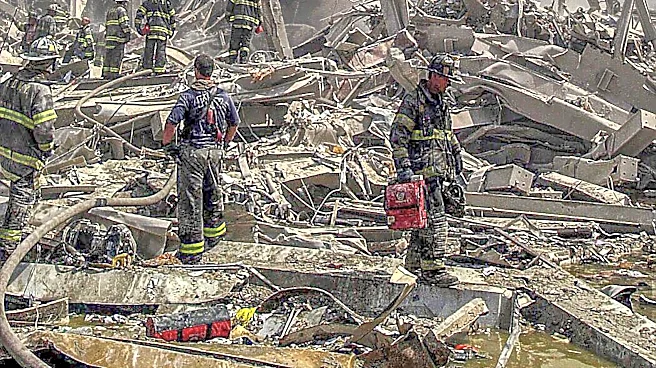
New reporting from The Washington Post indicates that the administration has removed language criticizing this memorial from signage and a webpage. Furthermore, there are intentions to restore and reinstate the memorial. This development suggests a deliberate effort to alter the historical narrative surrounding the Confederacy and its representation in national spaces. The report also highlights the release of new documents, nearly 25 years after the event, confirming that the air near Ground Zero was less safe to breathe than officials initially claimed, a critical piece of information that was not disclosed to the public at the time.
Why It's Important?
This situation is important because it touches upon the ongoing national debate regarding historical memory, particularly concerning the Confederacy and its place in American public spaces. The alleged removal of critical language and the intent to restore a Confederate memorial could be seen as an attempt to legitimize or soften the historical perception of the Confederacy, which is viewed by many as a symbol of slavery and racial oppression. This could have significant implications for how American history is taught and understood, potentially exacerbating existing social and political divisions. The revelation about the air quality near Ground Zero also underscores concerns about government transparency and public trust, raising questions about the extent to which vital information is withheld from the public during times of crisis.
What's Next?
The Washington Post's reporting is likely to spark further public discussion and potential backlash from civil rights organizations, historians, and political figures who oppose the glorification of the Confederacy. It remains to be seen how the Trump administration will respond to these accusations and whether they will proceed with the restoration of the memorial. The release of the Ground Zero documents may also lead to renewed calls for accountability and transparency from government agencies regarding public health and safety information. Future actions could include congressional inquiries, public protests, or legal challenges aimed at preventing the restoration of the Confederate memorial or demanding greater transparency in government communications.
Beyond the Headlines
Beyond the immediate controversy, this issue delves into the deeper cultural and ethical implications of how a nation confronts its past. The debate over Confederate monuments is not merely about historical artifacts but about the values and narratives a society chooses to uphold. The administration's actions could be interpreted as part of a broader cultural war, where different factions vie to control the interpretation of American history. This could lead to a re-evaluation of historical preservation policies and the role of government in shaping public memory. The Ground Zero revelation also highlights the long-term consequences of misinformation and the enduring impact on public health and trust, prompting a re-examination of how authorities manage and communicate during national emergencies.