
What's Happening?
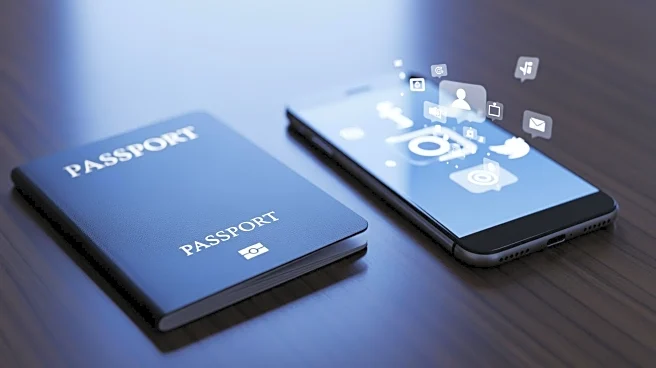
The U.S. has implemented a new rule under the Visa Waiver Program (VWP) requiring foreign visitors to disclose their social media history from the past five years and a decade's worth of contact information.
This measure applies to visitors from 42 countries who can enter the U.S. for up to 90 days without a visa. The rule aims to identify potential national security threats by screening for radicalization or hostile attitudes towards the U.S. Critics argue this infringes on privacy and free speech rights, while supporters see it as a necessary security measure. The U.S. Supreme Court has previously ruled that non-citizens do not have constitutional rights to entry, and the government can set conditions for admission.
Why It's Important?
This development highlights the ongoing tension between national security and individual privacy rights. By requiring social media disclosures, the U.S. aims to prevent potential threats from entering the country. However, this raises significant privacy concerns, as it involves scrutinizing personal online activities. The policy could deter visitors who value their privacy, potentially impacting tourism and international relations. It also sets a precedent for how digital footprints are used in immigration processes, reflecting broader global trends where countries increasingly use online content for security screenings.
What's Next?
The implementation of this rule may lead to legal challenges from privacy advocates and civil rights groups, who could argue that it violates international norms on privacy and free speech. Additionally, countries affected by the VWP might respond with reciprocal measures, affecting U.S. citizens traveling abroad. The policy's effectiveness in enhancing security will likely be scrutinized, influencing future immigration and security policies. Ongoing debates will focus on balancing security needs with respecting individual rights, potentially prompting legislative or judicial reviews.
Beyond the Headlines
This policy raises ethical questions about the extent to which governments should monitor personal online activities. It also reflects a shift towards digital surveillance in immigration, which could lead to broader acceptance of such practices in other areas of governance. The rule may influence how individuals manage their online presence, knowing it could impact their ability to travel. Long-term, this could alter social media behavior, with users becoming more cautious about their digital footprints.