



What's Happening?
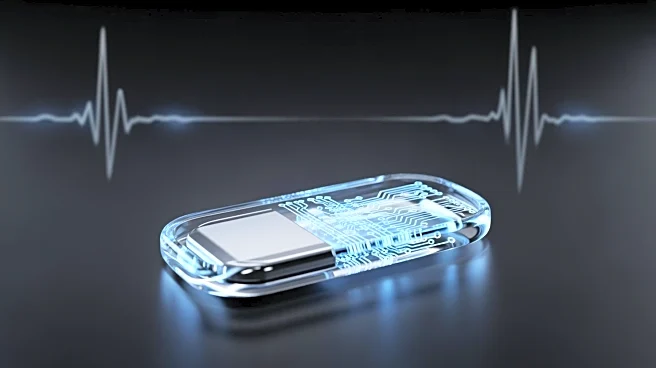
China has approved the world's first commercial brain implant designed to help individuals with paralysis regain hand movement. Developed by Neuracle Medical Technology, the device uses a brain-computer interface (BCI) to interpret brain signals and control
a robotic glove, enabling users to grasp objects. This approval marks a significant milestone in medical technology, as it offers new hope for patients with spinal cord injuries. The device is intended for adults aged 18 to 60 who have been paralyzed for over a year and have stable conditions.
Why It's Important?
The commercialization of this brain implant represents a breakthrough in medical technology, potentially transforming the lives of individuals with paralysis. By enabling patients to regain some degree of autonomy, the device could improve their quality of life and reduce the need for constant caregiving. This development also highlights China's growing investment in BCI technology, positioning the country as a leader in this emerging field. The success of this device could spur further research and innovation in neurotechnology, with implications for healthcare systems worldwide.
What's Next?
Following the approval, Neuracle Medical Technology will likely focus on scaling production and distribution of the brain implant. The company may also conduct further studies to expand the device's applications and improve its functionality. As other countries observe China's progress, there may be increased interest in developing similar technologies, potentially leading to international collaborations and regulatory discussions. The ethical and privacy implications of BCI technology will also need to be addressed as it becomes more widespread.