






What's Happening?
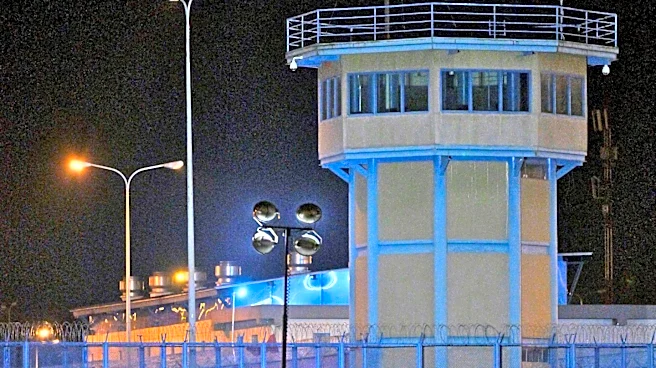
U.S. Senator John Hickenlooper was denied answers regarding the potential spread of tuberculosis during a visit to the GEO Group immigrant detention facility in Aurora, Colorado. Senator Hickenlooper stated that facility representatives stonewalled his
questions about who had been tested, the nature of the investigation, and the location of individuals exposed to the disease. The GEO Group, which operates the facility for U.S. Immigration and Customs Enforcement (ICE), cited 'advice of counsel' for not releasing information. This visit occurred on the deadline for GEO Group to comply with a state public health order to provide information on the tuberculosis investigation. As of Monday evening, it was unclear if GEO Group intended to comply with the order, which was issued after weeks of the company ignoring a similar order from Adams County health authorities following the identification of a single tuberculosis case in June. State and local health officials are concerned about the potential spread of the disease both within and outside the facility, especially given the crowded conditions observed by Senator Hickenlooper and the frequent movement or release of detainees.
Why It's Important?
This incident highlights a significant conflict between federal and state authority regarding public health oversight in immigrant detention facilities, with potential implications for public health and human rights. The refusal of a private contractor, operating under federal authority, to comply with state public health orders creates a dangerous precedent where critical health information can be withheld, potentially endangering both detainees and the wider community. Tuberculosis is a serious, airborne disease that can be fatal if untreated, and the lack of transparency surrounding its investigation at a facility with high turnover and crowded conditions poses a substantial public health risk. This standoff also underscores the challenges in ensuring accountability and transparency within privately run federal facilities. The inability of a U.S. Senator to obtain basic health information during an oversight visit raises questions about the level of scrutiny and control over these facilities and the welfare of those detained within them. The situation could lead to broader discussions about the balance of power between federal and state public health mandates and the need for clearer protocols in managing health crises in such environments.
What's Next?
Senator Hickenlooper plans to contact Centers for Disease Control and Prevention (CDC) officials to press the issue, indicating a potential escalation to federal health authorities. The Colorado Department of Public Health and Environment will likely continue to pursue compliance with its public health order, potentially leading to legal action if the GEO Group fails to provide the required information. The GEO Group has already sued in federal court to block a recently passed state law that strengthens local inspection powers, suggesting that this dispute may continue to unfold in the courts. This legal battle could set a precedent for the extent of state and local public health jurisdiction over federally contracted facilities. Furthermore, the incident may prompt increased scrutiny from other lawmakers and advocacy groups regarding health conditions and transparency in immigrant detention centers nationwide. The outcome could influence future legislation or policy changes aimed at clarifying oversight responsibilities and ensuring public health standards are met in these facilities.
Beyond the Headlines
The core issue extends beyond a single tuberculosis case to the broader question of humanitarian treatment and public health responsibility within the U.S. immigration system. The stonewalling of public health inquiries, even from a U.S. Senator, suggests a systemic lack of transparency that could mask other health or safety concerns within detention centers. This situation also brings into focus the ethical implications of private companies managing government functions, particularly in sensitive areas like detention and healthcare. The tension between federal authority and state public health mandates highlights a gap in governance that could be exploited, potentially leading to unchecked conditions in facilities that house vulnerable populations. Ultimately, this incident could fuel calls for comprehensive immigration reform that addresses not only border security but also the humane treatment, health, and safety of individuals within the detention system, and the accountability of all entities involved in their care.