








What's Happening?
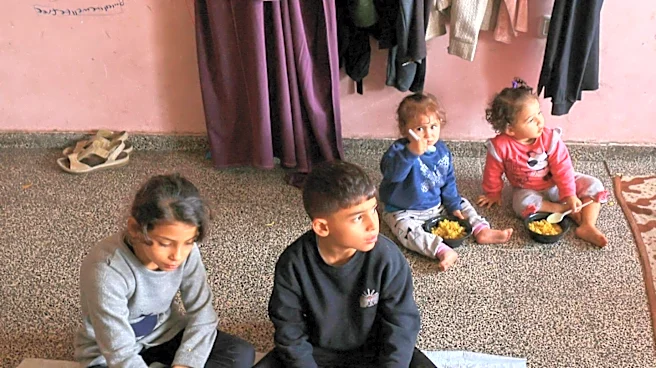
The United Nations Office for the Coordination of Humanitarian Affairs (OCHA) has issued a warning about a severe food emergency in Gaza, which could escalate into another famine. Currently, 67% of Gaza's population is experiencing food insecurity, with
over 200,000 people living in conditions that typically precede a formal famine declaration. The ongoing Israeli siege has led to soaring food prices, making basic necessities like eggs and vegetables unaffordable for many families. The situation is exacerbated by the aftermath of a previous famine, which left many children malnourished and struggling to regain their health.
Why It's Important?
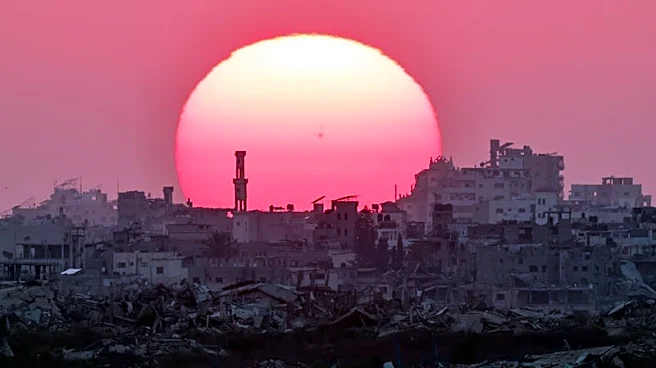
The food crisis in Gaza highlights the dire humanitarian situation in the region, exacerbated by prolonged conflict and economic sanctions. The lack of access to affordable and nutritious food poses significant health risks, particularly for children who are already malnourished. This situation underscores the urgent need for international intervention and support to address the root causes of food insecurity and provide immediate relief to affected populations. The crisis also raises broader concerns about the impact of geopolitical conflicts on global food security.
What's Next?
The international community may need to increase humanitarian aid and pressure for policy changes to alleviate the food crisis in Gaza. Efforts could include negotiating for eased restrictions on food imports and providing financial assistance to support local food production. Additionally, there may be calls for increased diplomatic efforts to address the underlying political issues contributing to the ongoing conflict and economic blockade.