




What's Happening?
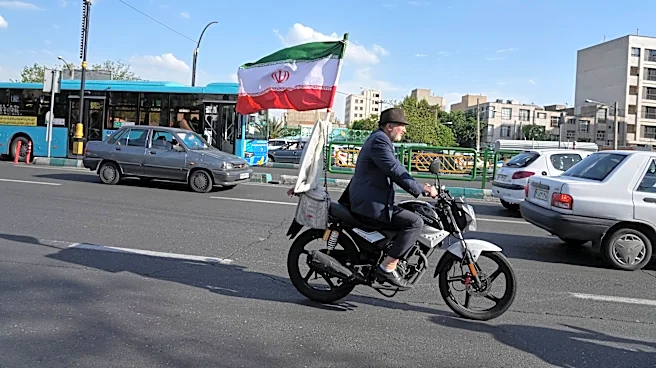
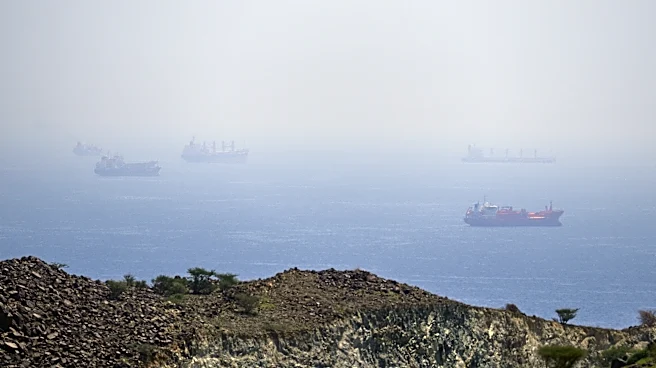
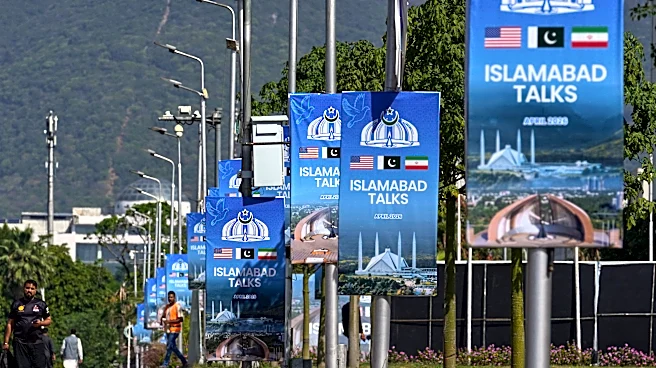
Tensions are escalating in the Middle East as Iran has not recognized the ceasefire extension unilaterally declared by President Trump. This week, Iran attacked three commercial ships and seized two in the Strait of Hormuz, undermining potential U.S.-Iran
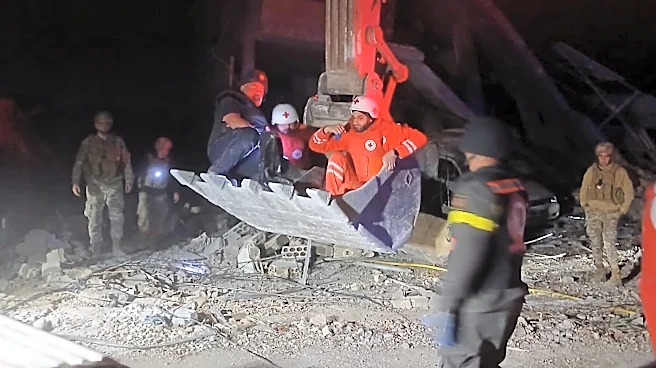
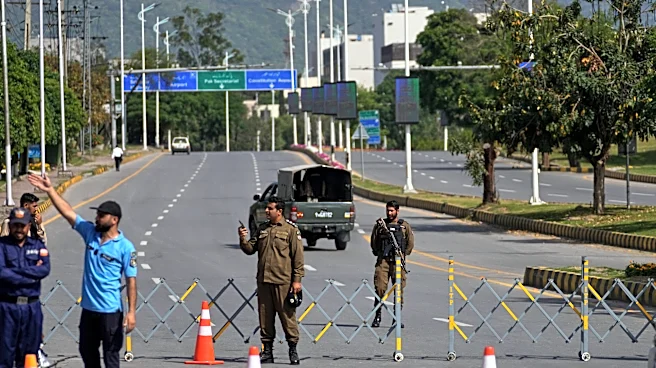
peace talks. A senior Iranian official dismissed the ceasefire extension as meaningless. Concurrently, Israeli airstrikes in Lebanon resulted in the deaths of five individuals, including journalist Amal Khalil. Diplomatic efforts are underway, with Israeli and Lebanese representatives scheduled to meet in Washington to discuss extending the truce and facilitating future negotiations.
Why It's Important?
The developments in the Middle East have significant implications for international relations and regional stability. Iran's actions in the Strait of Hormuz threaten global oil supply routes, potentially impacting global oil prices and economic stability. The situation also complicates U.S. foreign policy, as it seeks to navigate peace talks with Iran while maintaining alliances with Israel. The ongoing conflict in Lebanon further exacerbates regional tensions, highlighting the fragile nature of ceasefires and the challenges in achieving lasting peace. The U.S. military's involvement in the region, particularly the Navy's role, underscores the strategic importance of maintaining stability in these waters.
What's Next?
The upcoming diplomatic talks in Washington between Israeli and Lebanese officials are crucial for extending the current truce and setting the stage for more comprehensive peace negotiations. The U.S. may need to reassess its diplomatic strategies and military presence in the region to address the escalating tensions. Additionally, the international community will likely monitor Iran's actions closely, as further aggression could lead to increased sanctions or military responses. The outcome of these talks and Iran's future actions will significantly influence the geopolitical landscape in the Middle East.