


What's Happening?
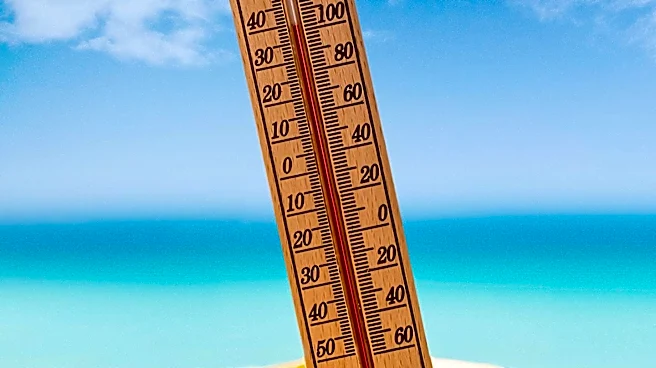
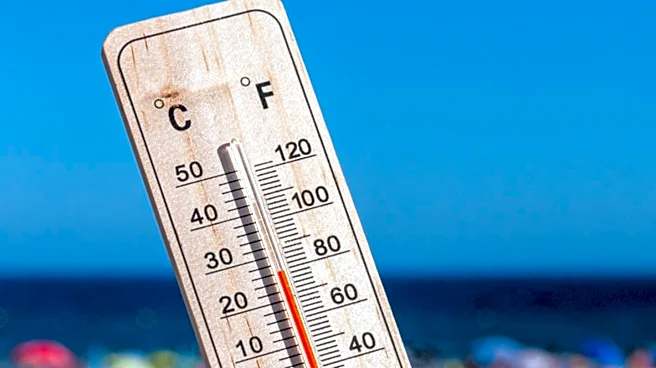
Japan is currently experiencing a severe heatwave, with temperatures expected to reach 40°C in cities such as Kumagaya and Nagoya. The Japanese government has issued heatstroke alerts across the country, urging residents to use air conditioning, stay
hydrated, and avoid prolonged outdoor activities. This extreme weather is part of a broader trend of increasingly severe summers in Japan, with last year recording the country's highest-ever temperature of 41.8°C. The heatwave has already led to a significant number of heatstroke cases, with 287 people hospitalized in Tokyo alone. The weather agency has introduced a new category, 'kokushobi,' for days when temperatures reach 40°C or higher, reflecting the growing frequency of extreme heat.
Why It's Important?
The ongoing heatwave in Japan highlights the increasing impact of climate change on global weather patterns. The severe temperatures pose significant health risks, particularly for vulnerable populations such as the elderly and those with pre-existing health conditions. The economic implications are also considerable, as extreme heat can disrupt daily activities, reduce productivity, and increase healthcare costs. The situation underscores the urgent need for effective climate adaptation strategies and policies to mitigate the effects of such extreme weather events. Additionally, the heatwave serves as a reminder of the importance of global efforts to reduce greenhouse gas emissions and combat climate change.