




What's Happening?
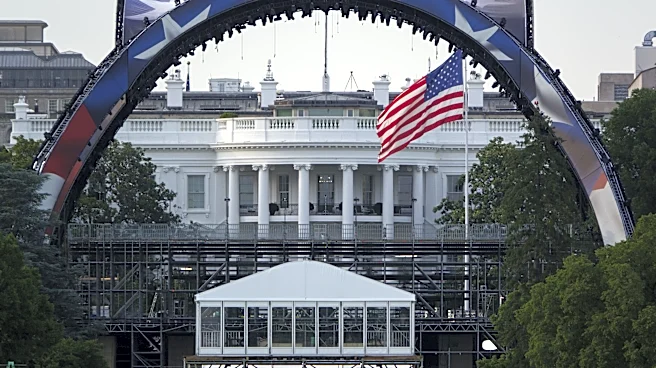
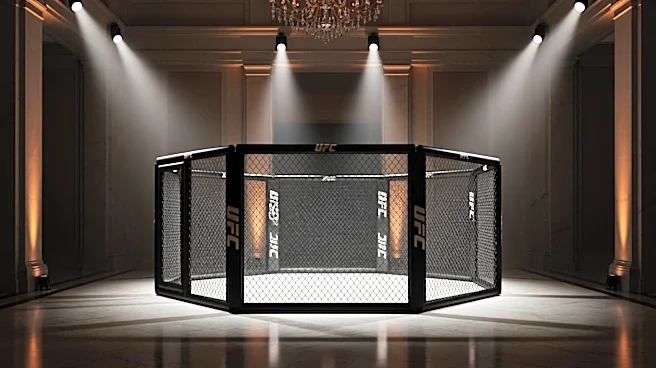
A federal lawsuit has been filed to stop a UFC fight event scheduled to take place on the White House South Lawn, coinciding with President Donald Trump's 80th birthday and the nation's 250th anniversary celebrations. The lawsuit, filed by the Public
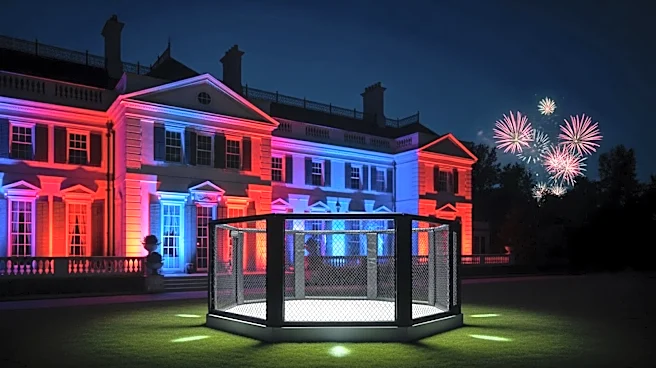
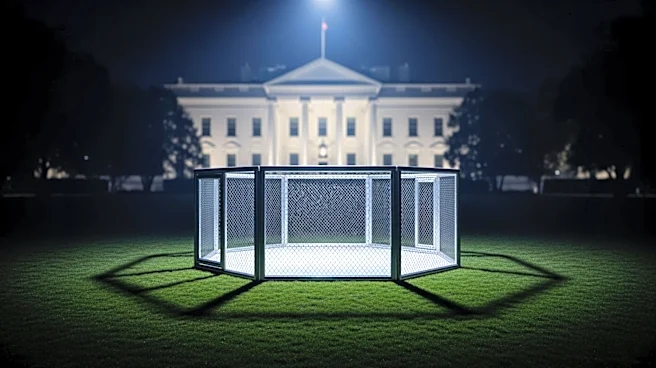
Integrity Project on behalf of two Virginia residents, argues that the Trump administration's approval of the event violates National Park Service regulations, which prohibit sporting events on federal parklands. Additionally, the lawsuit claims that Congress did not consent to the construction of a towering arch for the event, and no environmental review was conducted. The White House has dismissed the lawsuit as an obstructionist attempt to prevent the event, stating that it is similar to other White House-hosted events. The UFC has not commented on the lawsuit. Preparations for the event include the construction of an octagon-shaped cage and a 5,000-seat arena on the South Lawn, with additional large screens set up at the nearby Ellipse.
Why It's Important?
The lawsuit highlights concerns about the use of federal parklands for private and commercial events, raising questions about the legality and appropriateness of such uses. If the event proceeds, it could set a precedent for future private events on federal lands, potentially leading to increased commercialization of public spaces. The case also underscores tensions between the Trump administration and advocacy groups over the use of national monuments and public lands. The outcome of this legal challenge could impact how federal lands are utilized for events and the extent to which private interests can influence public spaces.
What's Next?
The legal proceedings will determine whether the UFC event can proceed as planned. If the court rules in favor of the plaintiffs, the event may be canceled or relocated. The decision could prompt further scrutiny of the Trump administration's handling of public lands and its relationship with private enterprises. Stakeholders, including environmental groups and public land advocates, will likely monitor the case closely, as it could influence future policies regarding the use of federal lands for private events.