





What's Happening?
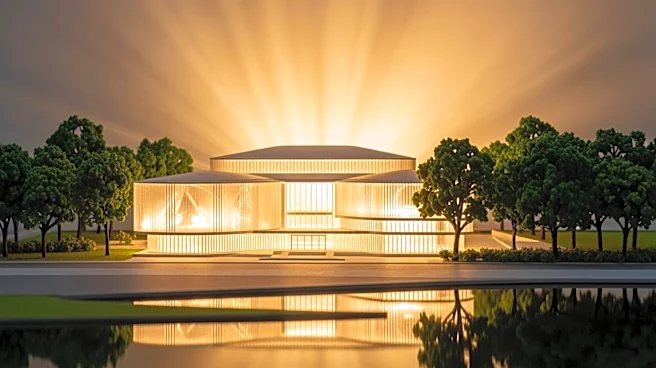
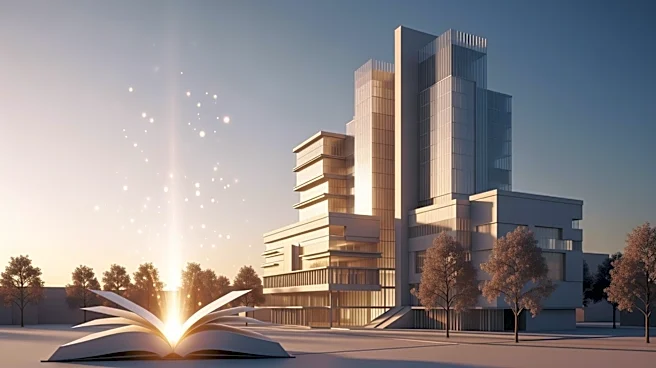
The Obama Presidential Center, set to open on June 19 in Chicago's Jackson Park, represents a significant shift in the role of presidential centers in the United States. Unlike traditional presidential libraries, which primarily serve as archives, modern
centers like the Obama Presidential Center are designed to be dynamic civic institutions. They are built through extensive fundraising efforts involving donors, foundations, corporations, and civic partners. These centers aim to preserve history while also shaping public discourse and community engagement. The Obama Presidential Center, in particular, is expected to attract hundreds of thousands of visitors annually and generate significant economic activity. However, it also raises questions about equitable distribution of benefits and potential displacement of local residents.
Why It's Important?
The evolution of presidential centers from archival repositories to active civic institutions reflects broader trends in how history is preserved and interpreted in the U.S. This shift places greater emphasis on philanthropy and private funding, which can influence the scope and impact of these centers. The Obama Presidential Center's success will depend on its ability to remain connected to the local community and fulfill promises of economic and social benefits. This model of presidential centers could set a precedent for future projects, highlighting the importance of balancing historical preservation with contemporary civic engagement and community development.
What's Next?
As the Obama Presidential Center opens, its long-term impact will be closely monitored. Key considerations include whether it can maintain strong ties with the local community and deliver on its promises of economic revitalization. The center's programming and initiatives will need to resonate with diverse audiences to ensure sustained engagement. Additionally, the philanthropic model supporting these centers will continue to evolve, potentially influencing how future presidential legacies are institutionalized and perceived.