





What's Happening?
The Community College of Rhode Island (CCRI) and the Office of Energy Resources (OER) have announced a new HVAC/R and Heat Pump Workforce Training program. CCRI has secured $200,000 from OER to develop this program, which is scheduled to launch in the summer/fall
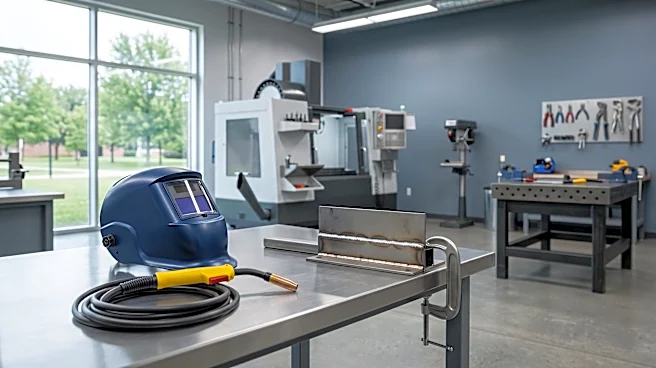
of 2027. The initiative aims to build a skilled workforce to support Rhode Island's building electrification and heat pump efforts. The funding will be used to establish a hands-on instructional environment equipped with modern diagnostic instrumentation, electrical learning systems, and field-installable ducted and ductless heat pump systems. Additionally, the grant will support the development of a comprehensive new-hire HVAC/R curriculum, serving as a pre-apprenticeship pathway with a strong focus on refrigeration principles, brazing and piping, and cold-climate applications. For existing HVAC/R professionals, CCRI will also create a 40-hour Heat Pump Installation, Commissioning, Service, and Maintenance program, set to launch by September 2027.
Why It's Important?
This new training program is vital for Rhode Island's clean energy transition and economic development. By addressing the growing demand for skilled HVAC/R technicians capable of installing and maintaining heat pump systems, the program directly supports the state's building electrification goals and its Act on Climate objectives. This initiative will create new career pathways for students and upskill existing professionals, fostering a robust local workforce in a critical and expanding sector. The investment of $200,000 in infrastructure and curriculum development signifies a strategic commitment to long-term sustainability and job creation. As the state moves away from fossil fuels, a well-trained workforce is essential to ensure the proper installation and longevity of eco-friendly heating systems, thereby contributing to emissions reduction and a more resilient energy future. This partnership between CCRI and OER exemplifies how educational institutions and government agencies can collaborate to meet evolving economic and environmental needs.
What's Next?
The Community College of Rhode Island will proceed with developing the comprehensive new-hire HVAC/R curriculum and establishing the hands-on instructional environment, with the program slated to launch in the summer/fall of 2027. Concurrently, CCRI will develop and launch the 40-hour Heat Pump Installation, Commissioning, Service, and Maintenance program for existing HVAC/R professionals by September 2027. These programs will begin accepting students and professionals, providing them with the necessary skills for the growing heat pump sector. The Office of Energy Resources will continue its broader efforts in heat pump program investments, building on the over $90 million already launched, which have supported over 5,000 installations. The success of this training program will be crucial for Rhode Island to meet its climate goals and further expand its clean energy economy, potentially leading to increased adoption of heat pump technology across the state.
Beyond the Headlines
This initiative reflects a broader national and global shift towards sustainable energy solutions and the critical need for a skilled workforce to support this transition. The focus on heat pump technology highlights its increasing importance in decarbonizing the building sector, a significant contributor to greenhouse gas emissions. The partnership between an educational institution and a state energy office serves as a model for other regions looking to address climate change through workforce development. Beyond the immediate economic benefits of job creation, this program contributes to energy independence and resilience by reducing reliance on fossil fuels. It also underscores the evolving role of community colleges as key players in preparing the workforce for emerging industries and addressing societal challenges like climate change. The emphasis on hands-on training and pre-apprenticeship pathways suggests a practical, industry-aligned approach to education, ensuring graduates are job-ready and capable of making an immediate impact.