









What's Happening?
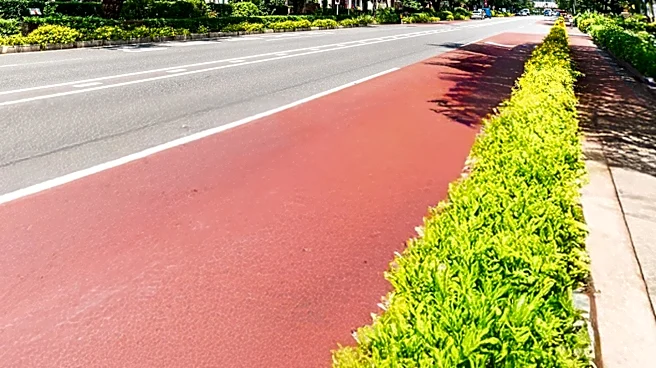
In Chicago, the implementation of bike lanes has sparked a debate among residents regarding their effectiveness and safety. Some cyclists appreciate having dedicated lanes, whether protected or not, but express concerns about obstacles such as pedestrians,
e-bikes, and scooters that disrupt the flow. Additionally, issues like snow accumulation and inconsistent lane protection pose challenges for year-round cyclists. On the other hand, drivers find the bike lanes frustrating, as they often lead to traffic congestion and delays. The advent of electric bicycles and scooters has further complicated the situation, with some riders reaching speeds comparable to cars, raising questions about regulation and safety. Residents suggest that moving bike lanes to less busy side streets could alleviate traffic issues and enhance safety for cyclists.
Why It's Important?
The debate over bike lanes in Chicago highlights the broader challenge of urban transportation planning. As cities strive to promote sustainable transportation options, balancing the needs of cyclists, drivers, and pedestrians becomes crucial. The effectiveness of bike lanes impacts traffic flow, safety, and the overall quality of urban life. For cyclists, safe and accessible bike lanes encourage more people to choose biking over driving, reducing traffic congestion and environmental impact. However, without proper regulation and maintenance, bike lanes can become hazardous and counterproductive. The discussion in Chicago reflects a need for thoughtful urban planning that considers the diverse needs of all road users, potentially influencing future transportation policies in other U.S. cities.
What's Next?
As the debate continues, city planners and policymakers may need to revisit the design and placement of bike lanes in Chicago. Potential solutions include relocating bike lanes to less congested side streets, improving maintenance to address issues like snow and debris, and implementing stricter regulations for electric bicycles and scooters. Engaging with community stakeholders, including cyclists, drivers, and pedestrians, will be essential in developing a comprehensive strategy that addresses safety and efficiency concerns. The outcome of this debate could set a precedent for other cities facing similar challenges, influencing national discussions on urban transportation and infrastructure development.