




What's Happening?
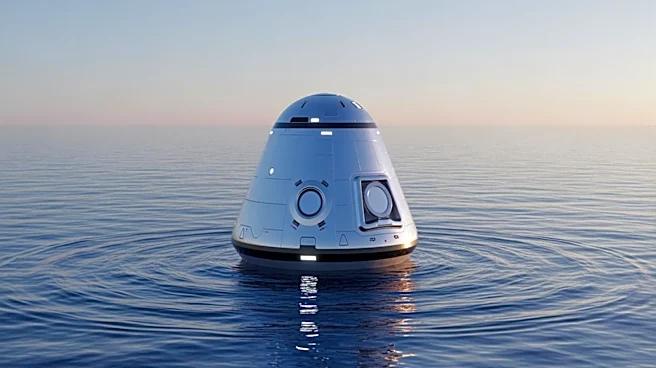
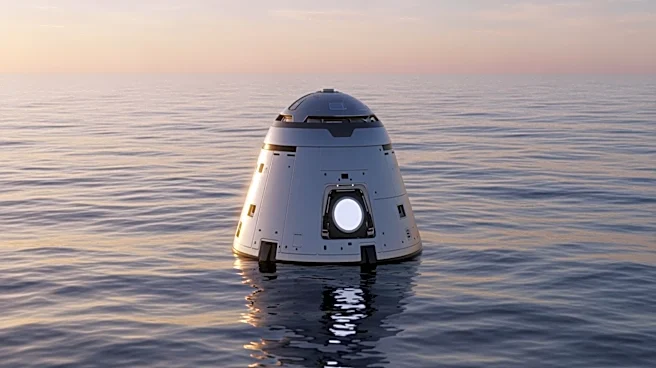
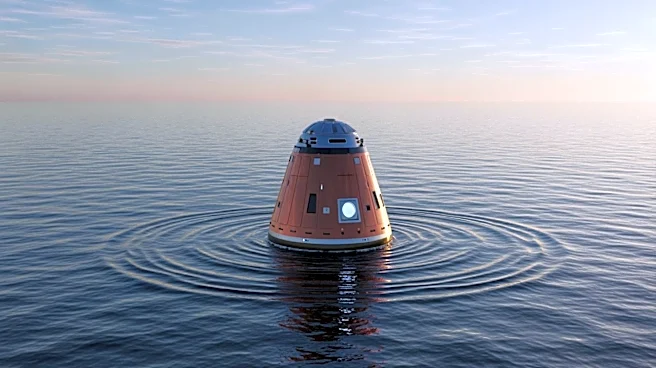
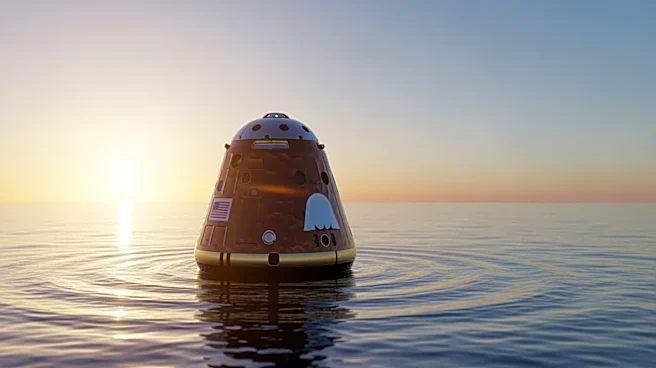
Space enthusiasts and students gathered at the University of Texas at Arlington planetarium to witness the live splashdown of the Artemis II mission. The event marked a significant milestone as the Orion spacecraft successfully completed its mission to circle
the moon. The crowd experienced a moment of tension during a six-minute communication blackout before erupting in cheers as the spacecraft safely returned. This mission is part of NASA's Artemis program, which aims to return humans to the moon and eventually send astronauts to Mars. The successful splashdown of Artemis II is a crucial step in testing the systems needed for future manned lunar missions.
Why It's Important?
The successful splashdown of Artemis II is a pivotal achievement for NASA's Artemis program, which seeks to establish a sustainable human presence on the moon by the end of the decade. This mission's success demonstrates the reliability of the Orion spacecraft and its systems, which are essential for future manned missions. The Artemis program is not only a significant step for space exploration but also has implications for technological advancements and international collaboration in space. The program's progress could inspire a new generation of scientists and engineers, fostering innovation and economic growth in the aerospace sector.
What's Next?
Following the successful splashdown of Artemis II, NASA will analyze the data collected during the mission to refine and improve the systems for future missions. The next step in the Artemis program is Artemis III, which aims to land astronauts on the lunar surface. This mission will involve further testing of the spacecraft's capabilities and the development of new technologies to support human life on the moon. The success of Artemis II sets the stage for these upcoming missions, which will require continued collaboration between NASA, international partners, and private companies.