


What's Happening?
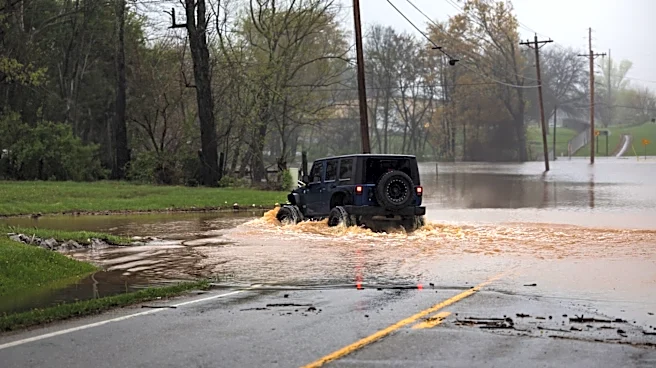
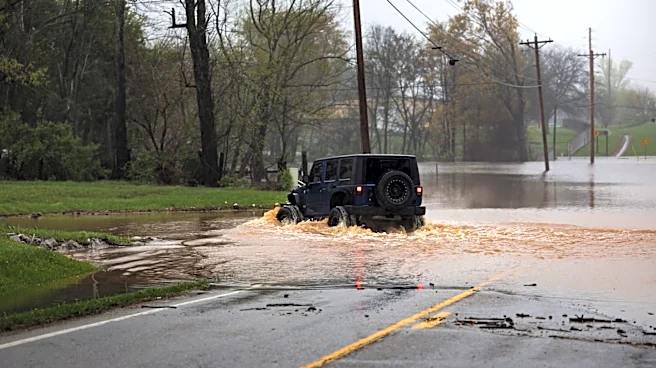
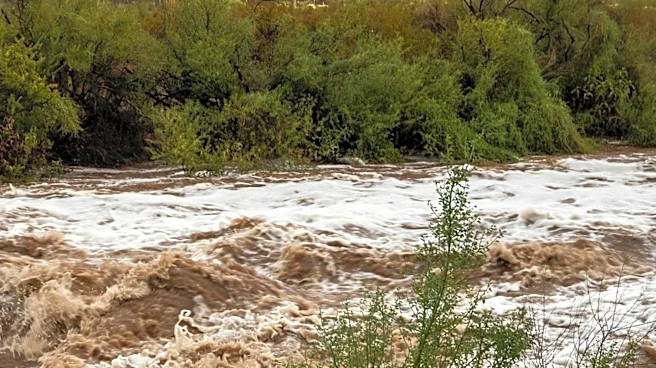
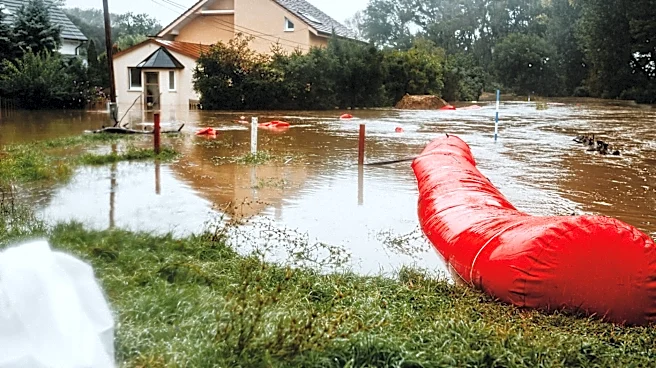
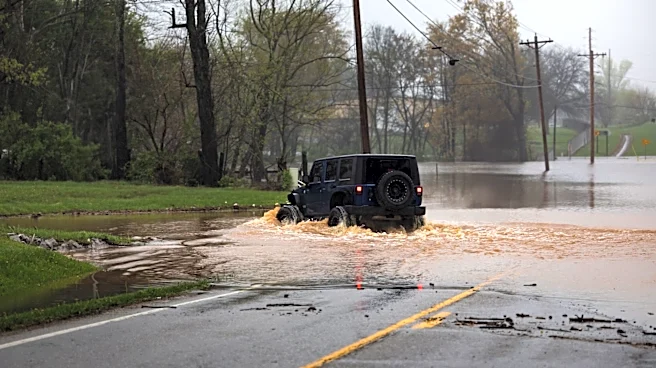
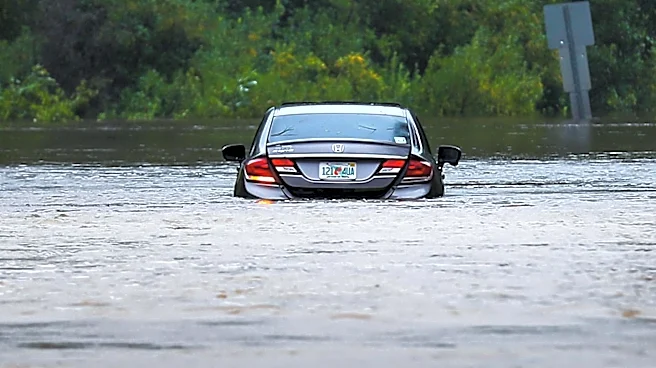
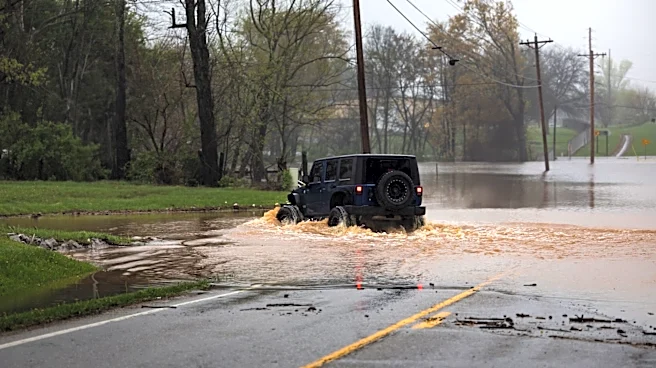
West Virginia experienced record-breaking flash flooding as severe thunderstorms swept across the region, affecting areas from Tennessee to Ohio. The storms resulted in submerged roads, power outages, and tornado damage. West Virginia Governor Patrick
Morrisey declared a state of emergency, mobilizing the National Guard to assist affected communities. The flooding has caused significant damage, with numerous water rescues and infrastructure impacts reported.
Why It's Important?
The severe weather events highlight the vulnerability of infrastructure and communities to extreme weather conditions. The flooding and storm damage have disrupted daily life, posing challenges for emergency response and recovery efforts. The situation underscores the need for improved disaster preparedness and infrastructure resilience to mitigate the impacts of such natural disasters. The economic and social costs of the damage will likely be significant, affecting local economies and residents' livelihoods.
What's Next?
Recovery efforts will be a priority as authorities work to restore power, clear debris, and repair damaged infrastructure. The state of emergency allows for the mobilization of resources to support affected communities. Long-term, there may be discussions on enhancing flood defenses and emergency response systems to better prepare for future events. The situation also raises questions about climate change and its role in increasing the frequency and intensity of severe weather events.