







What's Happening?
A grassroots initiative is gaining momentum in east Norman, led by local farmer Teresa Elam, to implement restrictions on residential development. The proposed 'East Norman Agricultural and Watershed Overlay District' aims to limit housing density and mandate
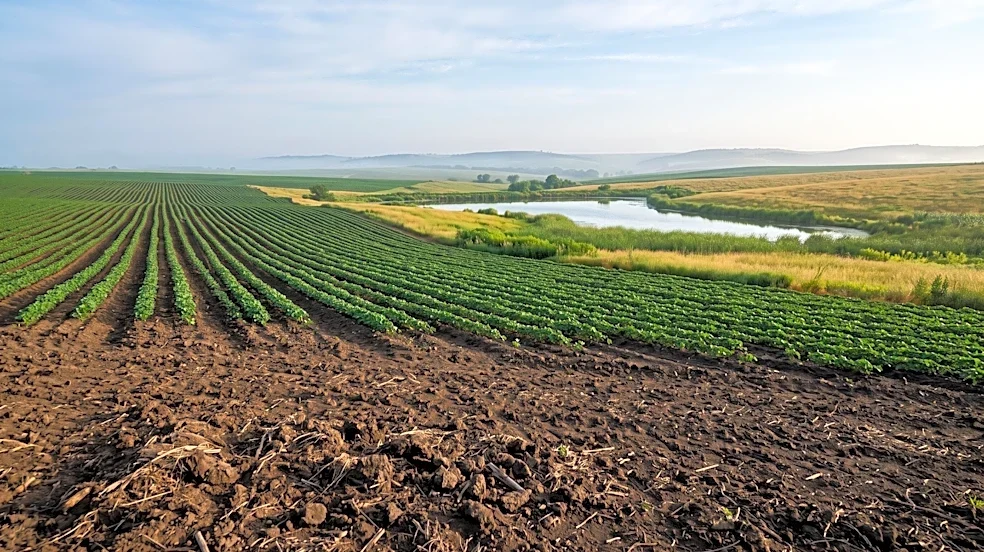
that certain developments allocate land for farming or conservation. Elam, who operates a cattle farm in Ward 5, drafted the ordinance to protect agricultural land and the city's vital water resources, including the Lake Thunderbird watershed and the Garber-Wellington Aquifer. Under her proposal, residential development on specific agricultural properties east of 24th Avenue would generally be capped at one home per 10 acres. Additionally, developments spanning 40 acres or more would be required to concentrate construction on no more than 25% of the property, reserving the remaining 75% for agriculture or conservation. The initiative seeks to influence Norman's long-term land-use plans before new zoning regulations are finalized.
Why It's Important?
This effort is crucial for the long-term environmental and economic sustainability of Norman. Protecting agricultural land not only preserves the rural character of the area but also supports local food systems and biodiversity. More significantly, safeguarding the Lake Thunderbird watershed and the Garber-Wellington Aquifer is paramount for ensuring a clean and reliable drinking water supply for Norman and surrounding communities. Uncontrolled residential development can lead to increased impervious surfaces, runoff pollution, and strain on water resources, potentially compromising water quality and availability. The proposed ordinance represents a proactive approach to managing growth, balancing development needs with environmental protection. It highlights the tension between urban expansion and the preservation of natural resources, a common challenge faced by many growing U.S. cities. The initiative also empowers local residents and farmers to directly participate in shaping their community's future land-use policies.
What's Next?
The proposed East Norman Agricultural and Watershed Overlay District ordinance has not yet been formally introduced for consideration by the City Council. Teresa Elam has distributed the draft to council members and is actively seeking input from conservation and agricultural organizations to refine the proposal. Ward 5 Councilmember Trey Kirby has expressed concerns about eastward development and is exploring reopening portions of Norman's AIM 2045 comprehensive land-use plan to reconsider development boundaries. However, he acknowledges the difficulty in moving restrictions back to 24th Avenue due to existing platted properties. An online petition supporting the initiative has garnered over 140 signatures towards an initial goal of 250, demonstrating community interest. The next steps will involve further community engagement, potential revisions to the ordinance, and its eventual formal presentation to the City Council for deliberation and a vote.
Beyond the Headlines
This local initiative in Norman reflects a broader national conversation about sustainable development, food security, and water resource management in the face of urban sprawl. The concept of an 'Agricultural and Watershed Overlay District' could serve as a model for other communities grappling with similar challenges. It underscores the intrinsic value of agricultural land beyond its economic output, recognizing its role in environmental health and community identity. The effort also highlights the power of grassroots movements in influencing public policy, demonstrating how concerned citizens can drive significant change. Culturally, it speaks to a growing awareness of the need to protect natural heritage and ensure the availability of essential resources for future generations. The debate in Norman is not just about zoning; it's about defining the future character of the city and its relationship with its natural environment.