


What's Happening?
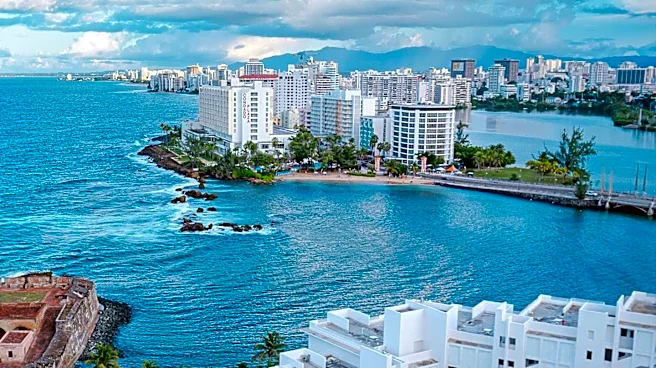
U.S. Representative Rob Menendez (D-NJ) has joined a bipartisan group of federal legislators, including Resident Commissioner Pablo José Hernández, in urging the U.S. Department of Energy (DOE) to address Puerto Rico's ongoing power outages. The legislators sent a letter
to DOE Secretary Chris Wright, requesting immediate action to prevent further blackouts, particularly during the high-demand months between September and November. Their appeal follows the cancellation of a $5.9 billion temporary generation contract due to potential fraud. The letter specifically asks the DOE to provide a 90-day action plan for Puerto Rico's government agencies, utilize existing executive orders to expand generation and accelerate vegetation clearing, and urgently dispatch electricity generation units. They also seek a coordination meeting with local authorities and the electric system administrators, LUMA Energy and GeneraPR, to establish clear responsibilities and a comprehensive plan to restore confidence in the system. Additionally, the legislators recommend that the DOE send technical and emergency response personnel to Puerto Rico to identify short-term recoverable generation capacity.
Why It's Important?
This bipartisan effort highlights the critical and persistent energy challenges facing Puerto Rico, which have significant humanitarian and economic implications. Frequent and prolonged power outages disrupt daily life, hinder economic activity, and pose serious health risks, especially for vulnerable populations. The involvement of U.S. federal legislators underscores the recognition that Puerto Rico's energy crisis is not merely a local issue but one that requires federal intervention and resources. The call for a clear action plan and coordination among various entities aims to bring much-needed stability to the island's power grid. A reliable energy infrastructure is fundamental for economic development, public services, and overall quality of life. Failure to address these issues could lead to further economic decline, increased migration from the island, and continued reliance on federal aid for emergency situations, impacting U.S. taxpayers.
What's Next?
The U.S. Department of Energy is expected to respond to the legislators' request, potentially outlining a plan of action within the requested 90-day timeframe. This could involve the deployment of federal resources, technical assistance, and increased oversight of Puerto Rico's energy sector. Local authorities, including LUMA Energy and GeneraPR, will likely be engaged in discussions to coordinate efforts and implement any federal directives. The focus will be on developing and executing a strategy to prevent blackouts during the upcoming high-demand months. The outcome of these efforts will be closely watched by residents of Puerto Rico, federal lawmakers, and energy stakeholders, as it will determine the immediate future of the island's energy stability and potentially influence long-term infrastructure development plans.
Beyond the Headlines
The ongoing energy crisis in Puerto Rico, exacerbated by issues like the cancelled generation contract, points to deeper systemic problems within the island's infrastructure and governance. The bipartisan nature of this appeal suggests a growing consensus in Washington regarding the urgency of the situation, transcending typical political divides. This situation also raises questions about the effectiveness of current oversight mechanisms for federal funds allocated to Puerto Rico's recovery and infrastructure projects. The long-term implications extend to the broader U.S. policy towards its territories, particularly in ensuring equitable access to essential services and resilient infrastructure. The crisis could also serve as a case study for other regions facing similar challenges, emphasizing the need for robust planning, transparent contracting, and effective inter-agency coordination in disaster recovery and infrastructure development.