







What's Happening?
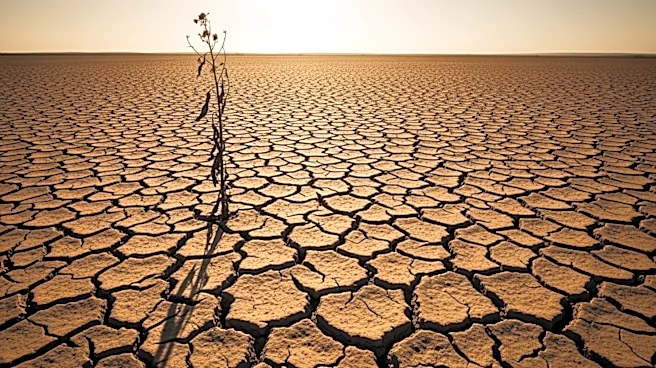
The U.S. agriculture industry is under significant threat due to worsening drought conditions across the country. According to the U.S. Drought Monitor, over 60% of the continental United States has been experiencing moderate to severe drought since early
April. This prolonged dry spell, which began in the autumn of 2025, has severely impacted Midwest farms, particularly those producing winter wheat. The Great Plains, a major winter wheat-producing region, has been hit hardest, with up to 44% of the crop rated as very poor to poor. Nebraska, Colorado, Oklahoma, Texas, and Kansas are among the states most affected. The drought has also extended to the cattle industry, with poor rangeland and pasture conditions. In the West, reservoirs like Lake Mead and Lake Powell are at record-low levels, exacerbating water scarcity for farms reliant on these water sources.
Why It's Important?
The intensifying drought poses a significant risk to the U.S. agriculture sector, which is a critical component of the national economy. The high abandonment rate of winter wheat, projected at 32%, could lead to increased food prices and supply chain disruptions. Small, family-run farms are particularly vulnerable, facing potential crop production changes or reductions. The cattle industry is also at risk due to deteriorating pasture conditions. The reliance on groundwater in California, due to reduced surface water, could lead to long-term environmental impacts, such as land subsidence and decreased water quality. These challenges highlight the urgent need for sustainable water management practices and could influence future agricultural policies.
What's Next?
The upcoming monsoon season, expected to begin in early July, may provide some relief to drought-stricken areas. Additionally, the development of El Niño conditions in October could bring further drought relief into the fall and winter of 2027. However, the immediate future remains challenging, with farmers needing to adapt to the current conditions. Policymakers and agricultural stakeholders may need to consider long-term strategies to mitigate the impacts of climate change on agriculture, including investment in water conservation technologies and infrastructure improvements.