




What's Happening?
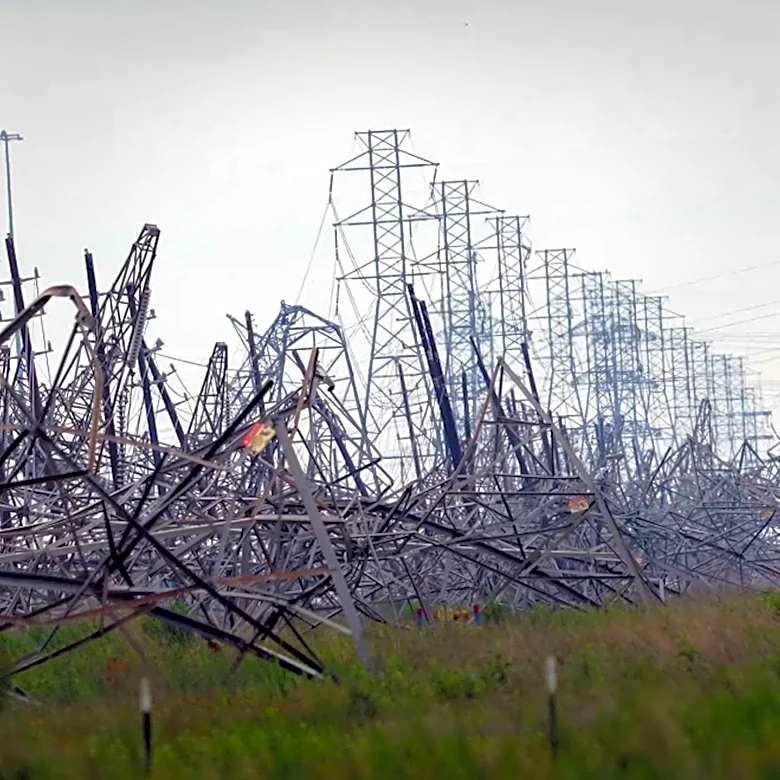
The 250th anniversary of the United States was marred by severe weather conditions, including deadly storms and a heatwave, affecting large parts of the country. The extreme weather led to power outages for hundreds of thousands of utility customers,
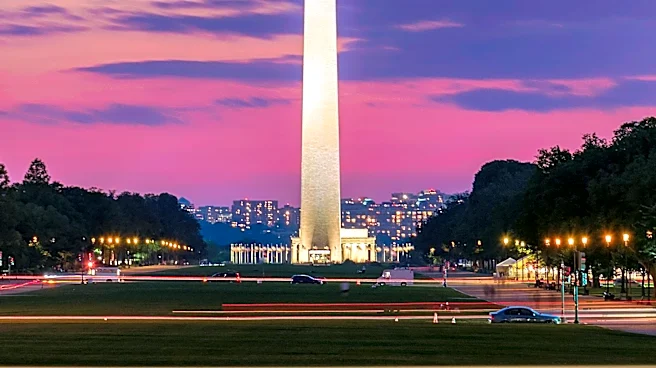
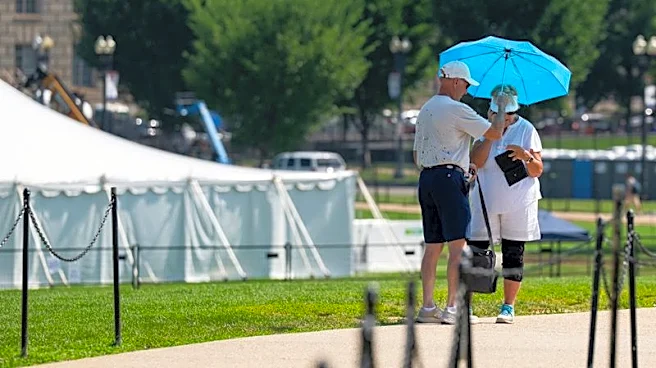
particularly in the Northeast and Midwest. In Washington, D.C., thunderstorms forced the evacuation of thousands from the National Mall during the Freedom 250 Fourth of July celebrations. The intense heat and storms also resulted in the cancellation of several fireworks displays and holiday events across multiple cities. The National Weather Service reported record-setting temperatures, with Washington, D.C. experiencing its warmest low temperature at 84 degrees. The weather conditions are expected to persist, with 34 million people in the Northeast under a flood watch.
Why It's Important?
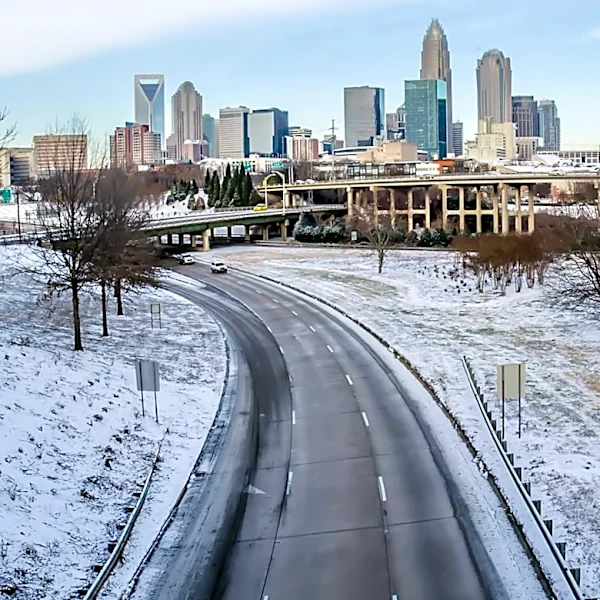
The severe weather conditions highlight the vulnerability of infrastructure and public safety during extreme weather events. The disruptions caused by the storms and heatwave underscore the need for improved emergency preparedness and response strategies. The power outages and event cancellations have significant economic implications, affecting businesses and local economies reliant on holiday tourism and festivities. Additionally, the extreme weather raises concerns about climate change and its impact on weather patterns, prompting discussions on the need for sustainable environmental policies.
What's Next?
As the weather conditions continue, authorities are likely to focus on restoring power and ensuring public safety. Emergency services and utility companies are working to address the outages and provide relief to affected areas. The ongoing weather challenges may prompt further discussions among policymakers and environmental groups about climate resilience and infrastructure improvements. The public and private sectors may also explore strategies to mitigate the impact of future extreme weather events.