


What's Happening?
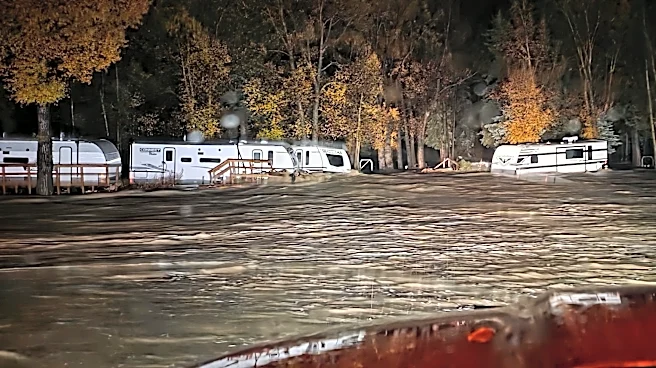
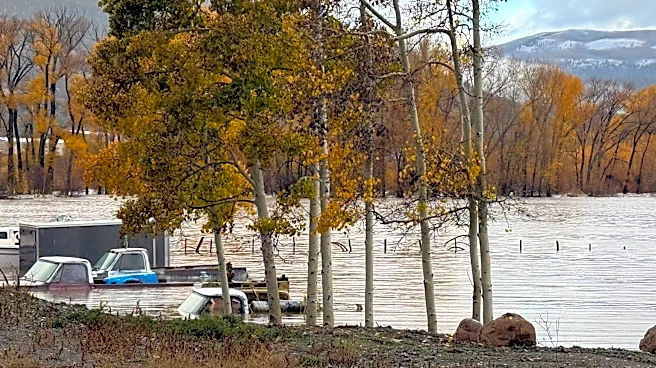
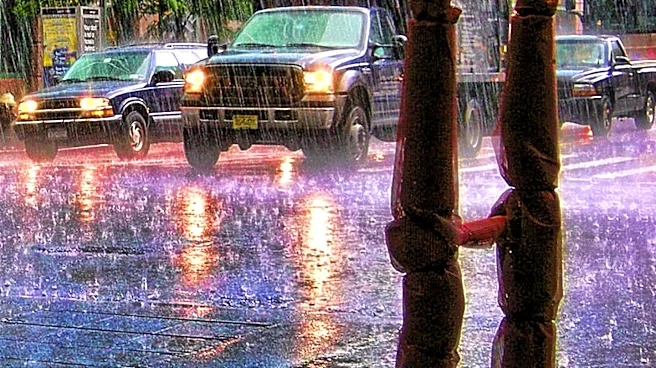
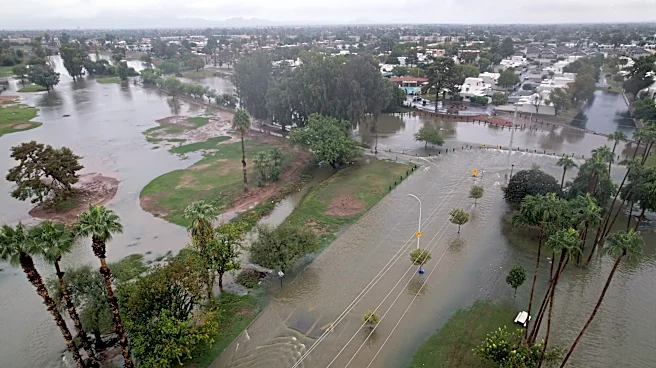
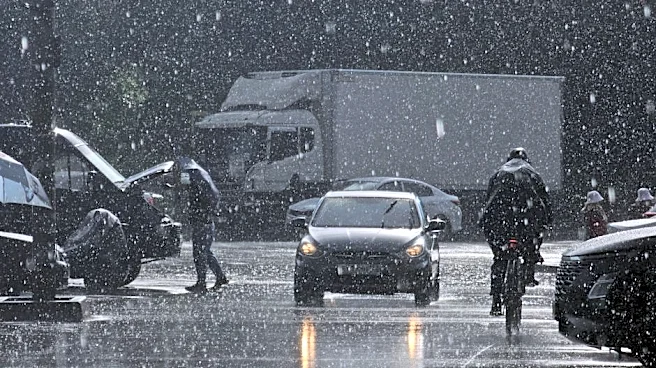
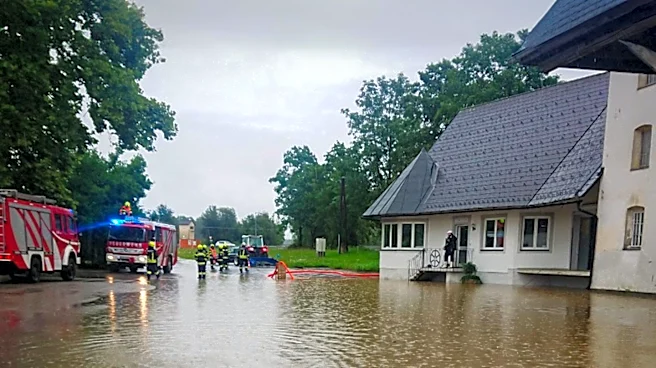
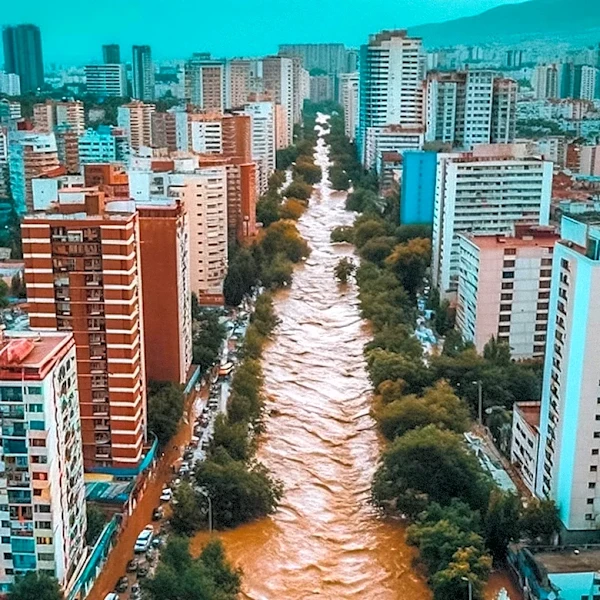
Prescott Mayor Cathey Rusing has declared a state of emergency following heavy and continuous rainfall that has caused significant flooding across the city. The severe weather led to the overtopping of Watson Lake Dam, also known as Granite Dam, on Sunday.
City officials are continuously monitoring the dam for structural concerns, noting it is rated to handle water flowing up to 10 feet over its top. Water inflow into Watson Lake peaked at over 4,000 cubic feet per second, with saturated ground, particularly in mountainous areas, producing two to three times the normal runoff. Flows have since decreased to approximately 1,680 cubic feet per second. The city activated its Emergency Operations Center at 8 a.m. to coordinate response efforts across all departments and with Yavapai County and the state of Arizona. Upper Goldwater Reservoir has also topped, while Lower Goldwater Reservoir is under close observation. Before the storms, the Public Works Department opened Watson Lake’s 36-inch release valve and the crosscut channel to Willow Lake to mitigate potential flooding.
Why It's Important?
The declaration of a state of emergency in Prescott highlights the immediate and severe impact of extreme weather events on U.S. communities and infrastructure. The overtopping of Watson Lake Dam, despite its design capacity, underscores the intensity of the rainfall and the potential for natural disasters to overwhelm existing flood control measures. This situation poses significant risks to public safety, property, and local economies. Residents face displacement, road closures, and potential damage to homes and businesses. The coordinated response involving city, county, and state agencies is crucial for managing the crisis, providing shelter, and distributing resources like sandbags. The event also brings into focus the broader challenges of climate resilience and urban planning in areas prone to flash flooding, emphasizing the need for robust infrastructure and emergency preparedness to protect citizens and minimize economic disruption.
What's Next?
As the immediate flooding subsides, city officials will continue to monitor the structural integrity of Watson Lake Dam and other reservoirs. The National Weather Service had issued a Flood Watch for Yavapai County, which was in effect through late Sunday night, warning of flash flooding on already saturated ground. All low water crossings in Prescott remain closed, along with several specific roads. Residents are advised to treat non-functioning traffic signals as four-way stops. Sand and sandbags are available at three fire station locations for residents to fill. A shelter has been opened at the Yavapai College Prescott Campus Gymnasium by Yavapai County and the American Red Cross for those displaced by floodwaters. Emergency services are managing life-threatening situations, while a dedicated phone bank is available for non-emergency flood-related calls. Recovery efforts and assessments of damage are expected to follow, along with potential long-term discussions on flood mitigation strategies.
Beyond the Headlines
The severe flooding in Prescott, Arizona, extends beyond immediate emergency response, raising critical questions about long-term environmental management and urban development in flood-prone regions. The incident highlights the increasing frequency and intensity of extreme weather events, potentially linked to broader climate patterns, which necessitate a re-evaluation of infrastructure resilience and emergency planning. The overtopping of a dam, even one designed for such events, underscores the limits of current engineering solutions against unprecedented natural forces. This event could prompt discussions on updating flood plain maps, revising building codes, and investing in more advanced early warning systems. Furthermore, the disruption to daily life and the economic toll on local businesses and residents may lead to calls for increased federal and state aid for disaster recovery and prevention, influencing future public policy decisions regarding environmental protection and community safety.