

What's Happening?
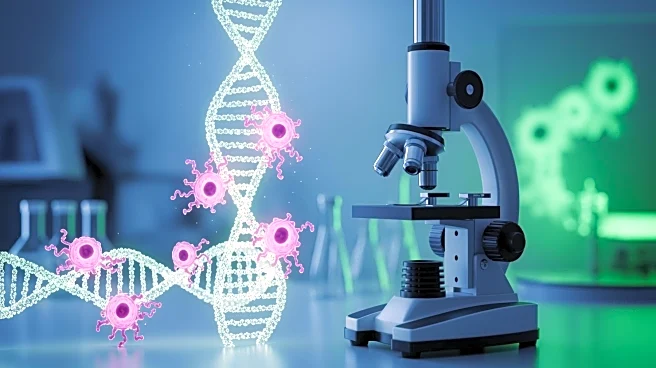
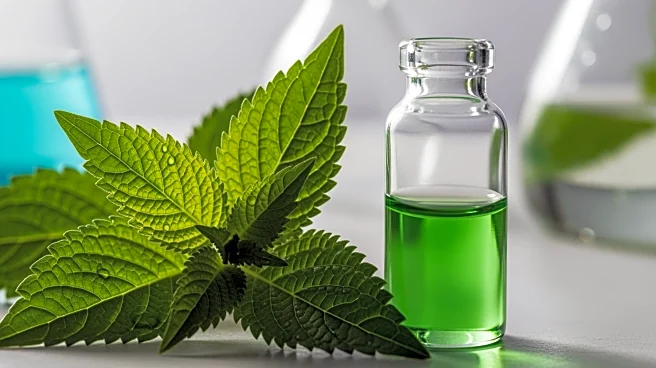
A recent study has investigated the use of Coleus forskohlii leaf extract in the biogenic synthesis of gold nanoparticles to enhance anticancer activity against HT-29 colon cancer cells. The research highlights the extract's ability to modulate the p53
regulated immune microenvironment in colon adenocarcinoma. Coleus forskohlii, a plant used in Ayurvedic medicine, contains bioactive compounds such as flavonoids, terpenoids, tannins, and alkaloids, which are known for their health-promoting properties. The study found that the combination of the plant extract with gold nanoparticles significantly increased the expression of the p53 protein, a vital tumor suppressor, in cancer cells. This suggests potential for improved therapeutic effects in drug delivery and antimicrobial applications.
Why It's Important?
The findings of this study are significant as they offer a potential new avenue for cancer treatment, particularly for colorectal cancer, which is prevalent in developed countries. The use of plant-based extracts combined with nanotechnology could lead to more effective and targeted therapies, reducing the need for toxic chemical reductants. This approach aligns with sustainable nanotechnology principles and could enhance the pharmacological profile of traditional herbal medicines. The study also highlights the role of the tumor microenvironment in cancer therapy, suggesting that the modulation of immune responses could improve treatment outcomes.
What's Next?
Further research is needed to explore the full potential of Coleus forskohlii extract in cancer therapy, including its effects on other types of cancer cells and its long-term efficacy and safety. Clinical trials could be conducted to validate these findings and assess the practical applications of this plant-based approach in cancer treatment. Additionally, the study opens up possibilities for exploring other plant extracts in combination with nanotechnology for therapeutic purposes.
Beyond the Headlines
The study underscores the importance of integrating traditional medicine with modern scientific approaches to develop innovative treatments. It also highlights the potential for using natural products in nanotechnology, which could lead to more sustainable and environmentally friendly medical solutions. The research may inspire further exploration into the use of plant-based compounds in various fields, including drug delivery and antimicrobial applications.