
What's Happening?
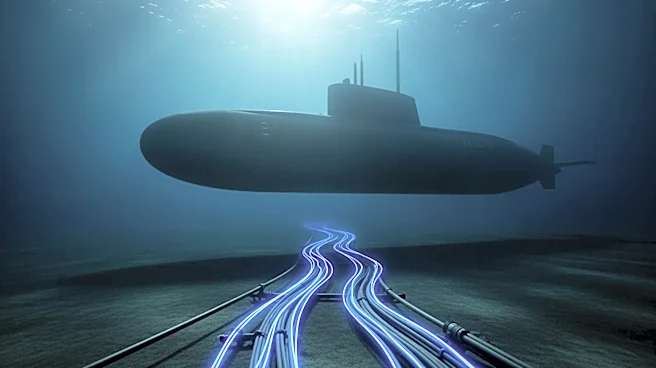
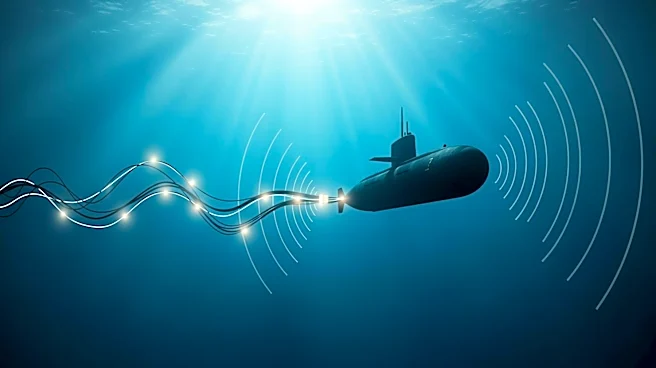
The British Royal Navy, in collaboration with allied forces, successfully tracked and deterred Russian submarines that posed a potential threat to undersea communication cables. The operation involved
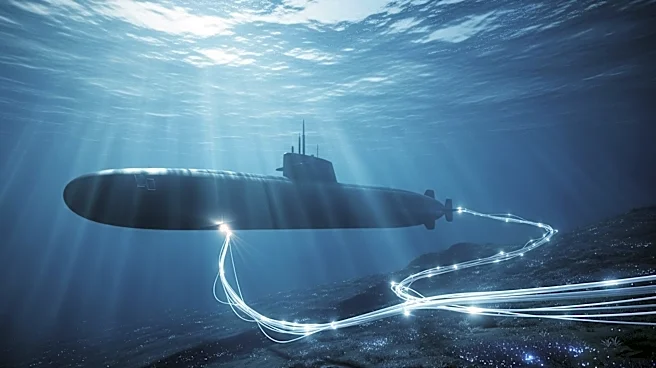
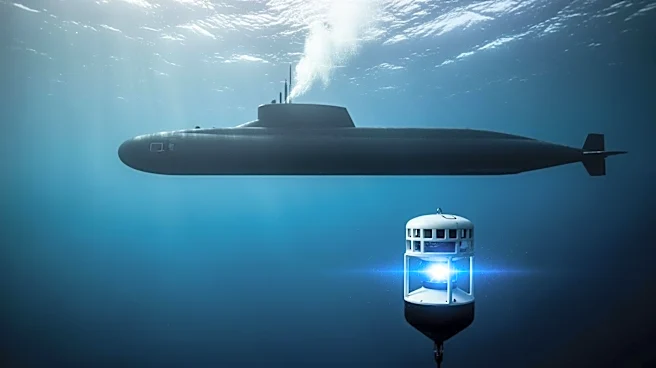
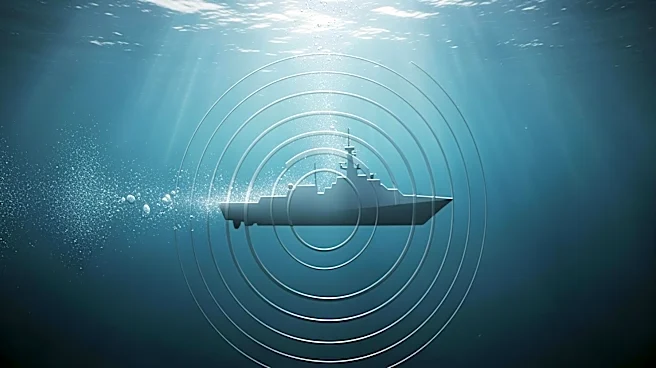
the use of advanced surveillance techniques, including RAF P8 Poseidon aircraft and sonobuoys, to monitor the movements of Russian vessels. The Russian submarines, part of the GUGI, Russia's Main Directorate of Deep Sea Research, were identified near British waters. These submarines are equipped to interfere with undersea systems critical to global communications and financial transactions. The UK Ministry of Defence revealed that the operation lasted over a month and involved significant resources, including 500 personnel and 450 flying hours. The Russian units were forced to retreat after their presence was made overtly known by British forces.
Why It's Important?
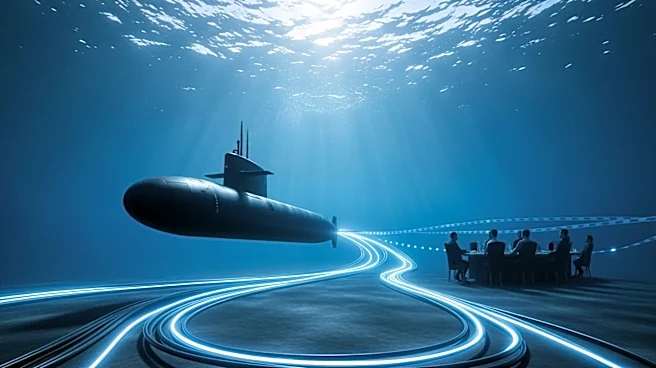
This development underscores the strategic importance of undersea communication cables, which carry 99% of international data, including financial transactions and internet traffic. A disruption to these cables could have severe global economic repercussions, affecting everything from banking to energy supply chains. The operation highlights the ongoing geopolitical tensions and the need for robust defense mechanisms to protect critical infrastructure. The UK's proactive measures demonstrate a commitment to safeguarding national and international interests against potential threats from adversarial nations. The incident also reflects the broader context of military strategy, where nations must balance attention across multiple global hotspots.
What's Next?
The UK government has announced increased investment in its defense capabilities, particularly in submarine-hunting aircraft and autonomous underwater systems. This move is part of a broader strategy to enhance the country's ability to monitor and respond to similar threats in the future. The Royal Navy remains on high alert, ready to respond should Russian forces attempt to return. The incident may prompt other nations to reassess their own defense strategies concerning undersea infrastructure. Additionally, diplomatic channels may be engaged to address the broader implications of such military maneuvers and to prevent escalation.
Beyond the Headlines
The operation highlights the evolving nature of military threats, where traditional naval engagements are complemented by cyber and infrastructure warfare. The focus on undersea cables reflects a shift in strategic priorities, recognizing the critical role of digital infrastructure in modern economies. This incident may lead to increased international cooperation in monitoring and protecting undersea assets. It also raises ethical questions about the militarization of civilian infrastructure and the potential consequences of such actions on global stability.