






What's Happening?
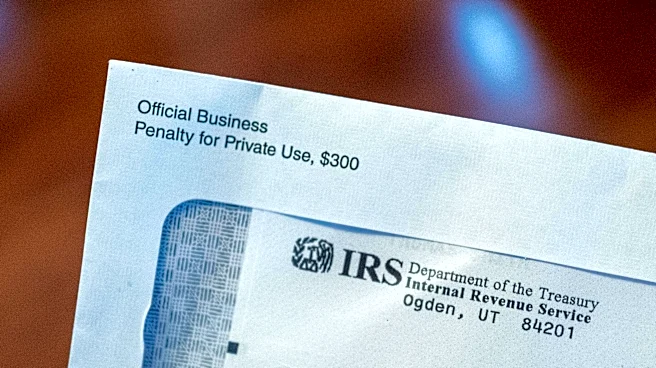
The Internal Revenue Service (IRS) has received a clean financial audit for fiscal year 2026, according to a Government Accountability Office (GAO) report released on November 12. The audit confirmed that the IRS accurately presented its financial statements
and maintained effective internal financial controls. However, the report also highlighted ongoing weaknesses in the agency's accounting systems, particularly concerning the tracking of unpaid taxes. These long-standing issues necessitate additional procedures by the IRS to ensure the reliability of its financial reporting. The IRS, which collected over $5.5 trillion in federal taxes and distributed approximately $670 billion in refunds and payments in fiscal year 2026, acknowledged the audit findings and reiterated its commitment to improving financial management and internal controls. The GAO conducts annual audits of the IRS due to the agency's critical role in federal revenue collection and its impact on the accuracy of the federal government's financial statements.
Why It's Important?
The IRS's clean audit, despite its accounting system weaknesses, underscores a critical distinction between the accuracy of its final financial statements and the underlying reliability of its operational systems. While the agency can produce accurate reports through compensatory procedures, the persistent deficiencies in tracking unpaid taxes could have significant implications for federal revenue collection and financial transparency. The IRS is responsible for managing trillions of dollars annually, and any systemic flaw in its accounting for taxes owed but not yet collected could lead to inefficiencies, potential revenue loss, and challenges in accurately assessing the nation's financial health. For taxpayers, these weaknesses might not directly impact individual filings but could contribute to broader concerns about government accountability and the effective management of public funds. The GAO's continued emphasis on these issues highlights the need for sustained attention and investment in modernizing the IRS's financial infrastructure.
What's Next?
The GAO has warned that continued management attention is necessary to resolve the identified accounting deficiencies. The IRS has stated its commitment to improving financial management, accountability, and internal controls in response to the audit. This suggests that the agency will likely focus on implementing further measures to address the long-standing problems with its accounting for unpaid taxes. Future actions could include investments in new financial systems, enhanced training for personnel, and more rigorous oversight of financial processes. The annual GAO audits will continue to monitor the IRS's progress in resolving these issues, providing ongoing scrutiny of an agency vital to the nation's financial operations. Stakeholders, including Congress and the public, will likely watch for tangible improvements in the IRS's ability to track and manage federal tax collections without relying on supplementary procedures.
Beyond the Headlines
The persistent accounting weaknesses at the IRS, even with a clean audit, point to a deeper challenge within large governmental organizations: the modernization of legacy systems. The reliance on additional procedures to compensate for system deficiencies suggests that the IRS may be operating with outdated infrastructure that struggles to keep pace with the complexity of modern financial transactions and tax laws. This situation can lead to increased operational costs, potential vulnerabilities, and a strain on human resources. Beyond the immediate financial implications, it raises questions about the long-term sustainability and efficiency of tax administration. Addressing these systemic issues requires not just technical upgrades but also a cultural shift towards continuous improvement and proactive investment in technology, which could ultimately enhance public trust and streamline the tax collection process for all Americans.