



What's Happening?
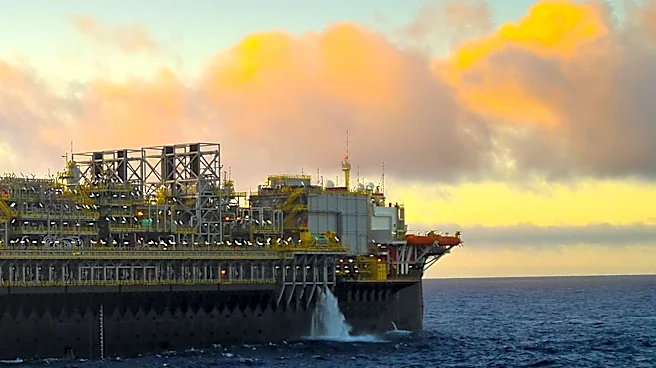
Saudi Arabia's crude oil exports increased slightly in January, reaching 6.993 million barrels per day, according to data from the Joint Organizations Data Initiative (JODI). This marks the highest output since April 2023. Despite the rise, the ongoing
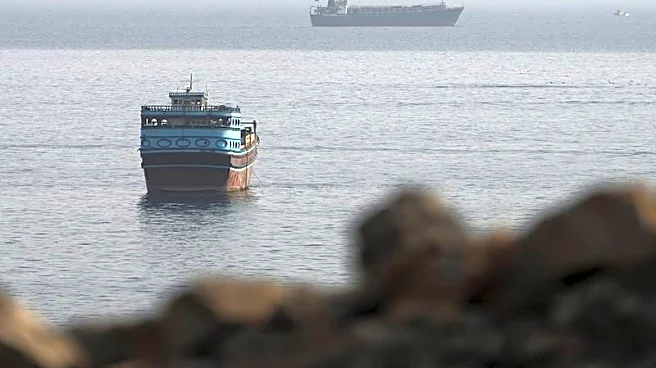
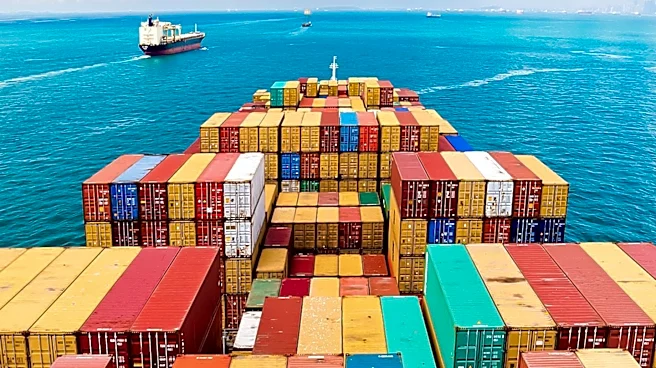
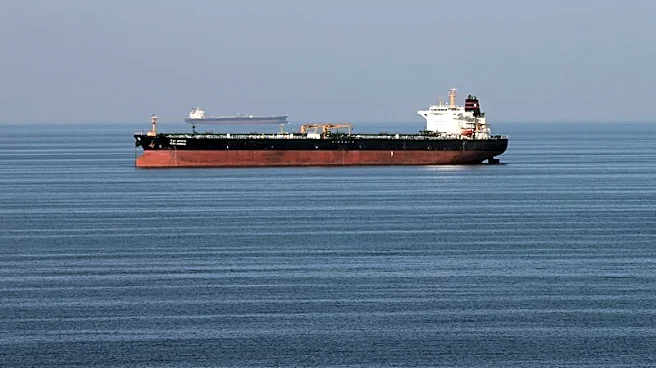
conflict in the Gulf, particularly the closure of the Strait of Hormuz, poses significant challenges to Saudi Arabia's export capabilities. The country has been redirecting crude through pipelines to the Red Sea to mitigate the impact of the disrupted shipping routes. The International Energy Agency (IEA) reports that Gulf countries have collectively reduced oil production by at least 10 million barrels per day due to the conflict.
Why It's Important?
The increase in Saudi Arabia's crude exports is a critical development in the context of the current geopolitical tensions in the Gulf. The closure of the Strait of Hormuz, a vital oil transit route, has significantly impacted global oil supply chains, leading to increased oil prices. Saudi Arabia's ability to maintain and even increase exports under these conditions highlights its strategic importance in global energy markets. However, the ongoing conflict and potential for further disruptions underscore the fragility of global oil supply and the need for alternative routes and strategies to ensure energy security.
What's Next?
As the conflict in the Gulf continues, Saudi Arabia and other oil-producing nations will need to navigate the challenges of maintaining export levels. The reopening of the Strait of Hormuz is crucial for stabilizing global oil markets, but this depends on diplomatic resolutions. Saudi Arabia may continue to explore alternative export routes and increase pipeline capacity to the Red Sea. The situation also calls for international cooperation to address the broader implications of energy security and market stability. Stakeholders will be closely monitoring developments and may need to adjust their strategies in response to ongoing geopolitical dynamics.