








What's Happening?
Five Indonesian prison officials, including the Cibinong prison chief, have been suspended following the discovery of luxury apartment-style residences allegedly used by inmates near Jakarta. The Ministry of Immigration and Corrections announced the suspensions
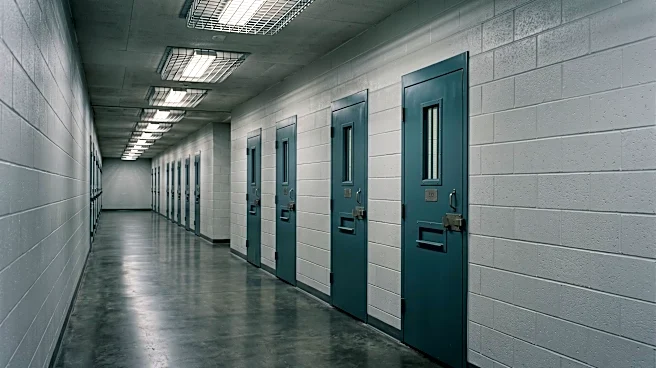
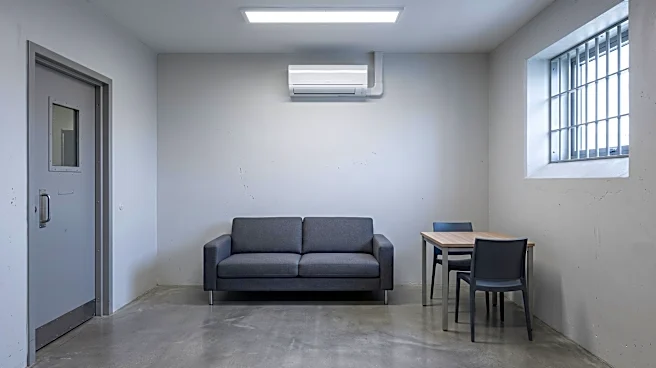
after an investigation by Indonesia’s Ombudsman revealed the unauthorized facilities. These residences, more than 10 units, were found separate from regular cellblocks at Cibinong prison and contained amenities such as air-conditioners, big-screen televisions, refrigerators, sofas, and dining areas. Investigators also reported finding a gym and a golf simulator under construction on the premises. The buildings were originally designated as official housing for prison personnel, but authorities are now investigating whether they were converted into privileged accommodations for inmates. Dozens of inmates and prison employees have been questioned as part of the ongoing inquiry into the incident, which occurred during a surprise inspection on September 23.
Why It's Important?
This incident highlights long-standing issues within Indonesia's corrections system, which has been plagued by allegations of corruption, overcrowding, and preferential treatment for wealthy or well-connected inmates. The discovery of luxury facilities underscores a systemic problem where affluent prisoners can reportedly buy privileges unavailable to the general prison population. This situation erodes public trust in the justice system and raises questions about accountability and equitable treatment under the law. For the U.S., while not directly impacted, such revelations in other nations can influence foreign policy discussions related to human rights, governance, and anti-corruption efforts. International organizations and human rights groups often monitor these issues, and their findings can shape diplomatic relations and aid considerations. The case also serves as a stark example of how corruption can undermine institutional integrity, a concern that resonates globally in efforts to promote good governance.
What's Next?
Authorities are expected to continue their investigation to identify which prisoners occupied the luxury facilities and whether prison officials accepted payments for these privileges. Lawmakers, anti-corruption activists, and watchdog groups have called for transparency and accountability in this process. The Ministry of Immigration and Corrections will likely face increased pressure to implement reforms to address the deep-rooted issues of corruption and preferential treatment within its prison system. This could lead to stricter oversight, revised regulations, and more rigorous enforcement mechanisms to prevent similar incidents in the future. The case may also prompt a broader review of prison conditions and management across Indonesia, potentially leading to policy changes aimed at improving equity and reducing overcrowding. Public scrutiny will remain high, demanding a thorough and impartial resolution to the scandal.
Beyond the Headlines
The scandal at Cibinong prison extends beyond mere administrative misconduct, touching upon profound ethical and societal implications. It exposes a stark class divide within the justice system, where wealth can seemingly circumvent legal consequences and basic principles of equality. This perpetuates a perception that justice is not blind, but rather influenced by economic status, which can undermine the rule of law and foster public cynicism. Culturally, such incidents challenge the notion of rehabilitation and punishment, suggesting that for some, incarceration can be a comfortable retreat rather than a consequence. The long-term shift could be a renewed push for comprehensive judicial and correctional reform, not just in Indonesia but potentially inspiring similar calls in other nations grappling with corruption in their penal systems. It also highlights the critical role of independent oversight bodies, like Indonesia's Ombudsman, in uncovering and addressing institutional malpractices.