




What's Happening?
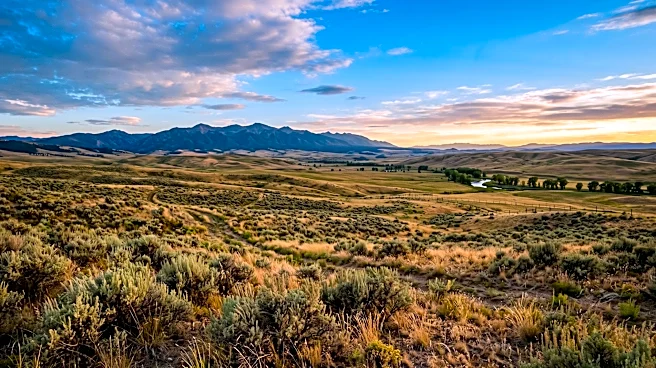
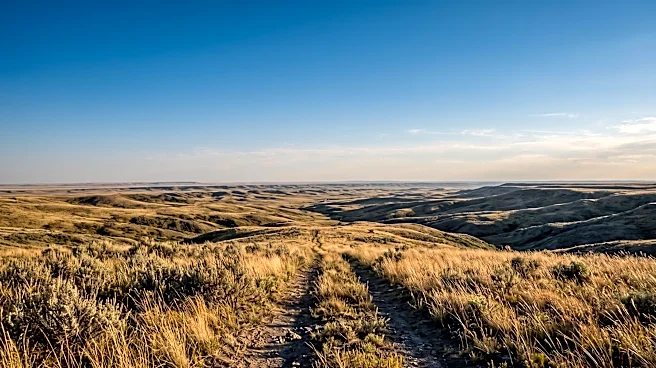
Interior Secretary Doug Burgum has signed a Secretary’s Order aimed at expanding livestock grazing opportunities on federal rangelands. This directive is intended to improve the health of these lands and provide support for American ranchers, aligning
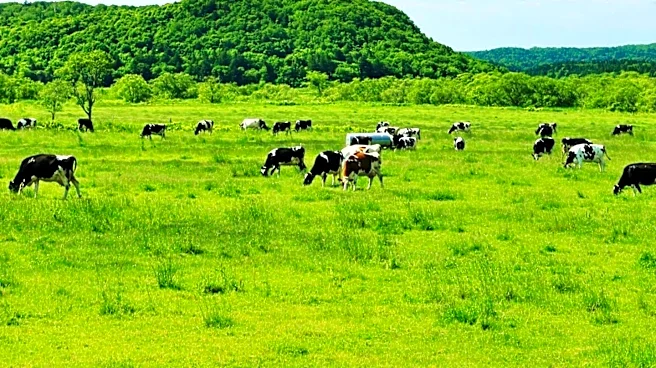
with President Trump's Executive Order on 'Supporting America’s Ranchers.' The order specifically instructs the Interior Department and the Bureau of Land Management (BLM) to increase access for grazing, including on currently vacant grazing allotments. Key provisions include streamlining permitting processes, enhancing rangeland health, increasing transparency, protecting livestock, and improving coordination with the United States Department of Agriculture Forest Service. The move comes at a time when the national cattle herd is reportedly at a 75-year low, and the order seeks to bolster the nation's livestock industry, increase domestic meat production, and potentially lower consumer costs. It also sets deadlines for bureaus to identify new lands for grazing and for the BLM to address its permit renewal backlog.
Why It's Important?
This order carries significant implications for the U.S. livestock industry, rural economies, and federal land management. By expanding grazing opportunities and streamlining regulations, the administration aims to support ranchers, who are currently facing challenges with a historically low national cattle herd. This could lead to increased domestic meat production, potentially impacting food supply chains and consumer prices. For rural economies, the expansion of ranching activities on public lands could provide an economic boost. However, the order also raises concerns among conservationists, who argue that such changes could negatively impact remaining habitats and potentially exacerbate issues related to the Endangered Species Act. The emphasis on cutting 'bureaucratic red tape' reflects a broader administrative philosophy of reducing regulatory burdens, which could be seen as beneficial by industry but problematic by environmental groups. The long-term health of federal rangelands and the balance between economic development and environmental protection are central to this policy shift.
What's Next?
The order establishes specific timelines for its implementation. Bureaus within the Department of the Interior are directed to prioritize the needs of the domestic livestock industry. A 30-day deadline has been set for identifying new lands suitable for potential grazing, and the Bureau of Land Management has 60 days to present a plan to eliminate its backlog of grazing permit renewals. This indicates a rapid push to enact the changes. Stakeholders, including ranchers, environmental organizations, and local communities, will likely monitor the implementation closely. Ranchers will be looking for tangible benefits in terms of increased access and simplified processes, while conservation groups are expected to scrutinize the environmental impacts and potentially challenge the order through legal or advocacy channels. The success of the order will be measured by its ability to support the livestock industry while maintaining or improving rangeland health, a balance that will be subject to ongoing debate and evaluation.
Beyond the Headlines
Beyond the immediate economic and environmental impacts, this order touches upon deeper philosophical and political debates surrounding the use of public lands in the United States. It highlights the ongoing tension between resource extraction and conservation, and the role of federal agencies in balancing these competing interests. The administration's emphasis on 'cutting through bureaucratic red tape' reflects a broader political agenda that often prioritizes economic activity and industry support over regulatory processes, which are sometimes viewed as impediments. This approach could set a precedent for future land management decisions, potentially shifting the balance of power between federal oversight and local economic interests. The order also underscores the influence of the executive branch in shaping environmental and agricultural policies, with potential long-term consequences for the ecological integrity of federal lands and the sustainability of ranching practices. The debate over 'healthy rangelands' itself is complex, with different interpretations from agricultural and environmental perspectives, suggesting that the implementation of this order will likely be a source of continued contention.