







What's Happening?
The Wisconsin Department of Agriculture, Trade and Consumer Protection (DATCP) is currently accepting applications for the 2027 Producer-Led Watershed Protection Grants. These grants, funded by Governor Evers’ 2025-27 Biennial Budget, aim to support producer-led
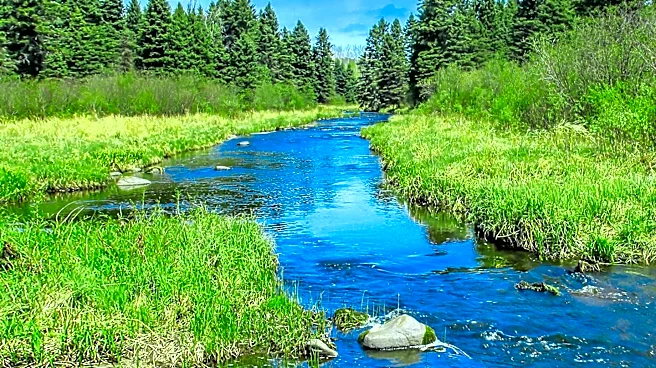
groups in advancing conservation solutions and enhancing farmer participation in local watershed conservation efforts. The total budget for these grants is $1 million, with eligible groups able to receive up to $40,000 each. The grants are designed to help farmers implement conservation solutions tailored to their specific watershed needs, considering factors such as topography, soil, and types of operations. To qualify, applicants must be groups of at least five farmers from the same or adjacent watersheds, with each farm meeting specific revenue criteria. Collaboration with local conservation departments or organizations is also required.
Why It's Important?
This initiative is significant as it empowers local farmers to take the lead in conservation efforts, promoting sustainable agricultural practices that benefit both the environment and the agricultural community. By providing financial support, the program encourages the adoption of practices that improve soil health and water quality, which are critical for long-term agricultural productivity and environmental sustainability. The program's success is evident in its history, with over $8.2 million awarded to 56 groups since its inception in 2015. The grants have facilitated conservation education, on-farm demonstrations, and research, impacting 1.6 million acres in 2025 alone. This initiative not only supports environmental goals but also strengthens the agricultural sector by fostering innovation and collaboration among farmers.
What's Next?
The application deadline for the grants is September 15, 2026. Interested groups must submit their applications via email in Microsoft Word format. As the program continues to grow, it is expected that more groups will apply, potentially increasing the demand for funding. The ongoing support from the state government suggests a continued commitment to environmental conservation and agricultural sustainability. Future developments may include expanded funding or additional support mechanisms to accommodate the increasing interest and participation in the program.