

What's Happening?
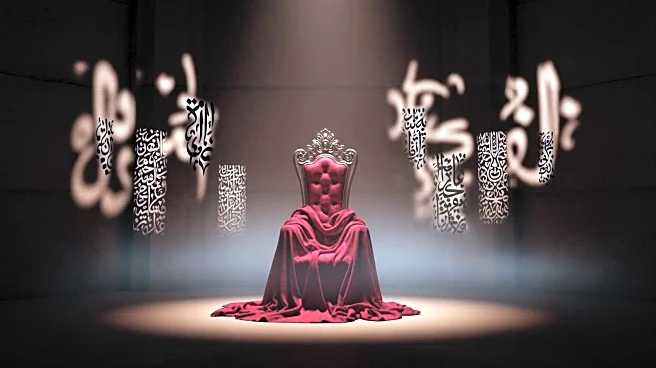
Mojtaba Khamenei, recently appointed as Iran's supreme leader, has not been seen publicly for 13 days, sparking speculation about his health and leadership status. Reports suggest he was injured during the initial strike of the ongoing war, which also
resulted in the death of his father, Ayatollah Ali Khamenei. Despite a written message attributed to him marking Nowruz, the lack of visual or audio confirmation has fueled rumors about his condition, including unverified claims of severe injuries.
Why It's Important?
The absence of Iran's new supreme leader raises questions about the country's leadership stability during a critical period of conflict. The supreme leader holds significant power over Iran's military and political decisions, and uncertainty about his condition could impact Iran's domestic and foreign policy. This situation may affect regional dynamics, particularly in relation to Iran's interactions with neighboring countries and its stance in the ongoing Middle East conflict.
What's Next?
International observers and intelligence agencies will likely continue to scrutinize developments in Iran's leadership. The Iranian government may face pressure to provide clarity on Khamenei's status to reassure both domestic and international audiences. Potential shifts in Iran's leadership could lead to changes in its strategic approach to the ongoing conflict and its broader geopolitical objectives.