




What's Happening?
Every year on August 26, the United States observes National Women's Equality Day, a commemoration of the 19th Amendment to the Constitution, which granted women full and equal voting rights. This landmark amendment was certified on August 26, 1920. The
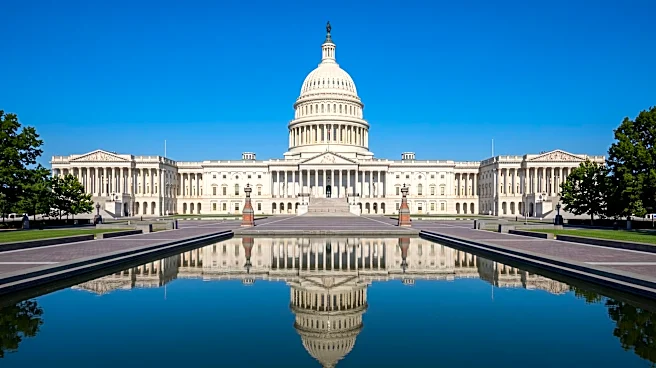
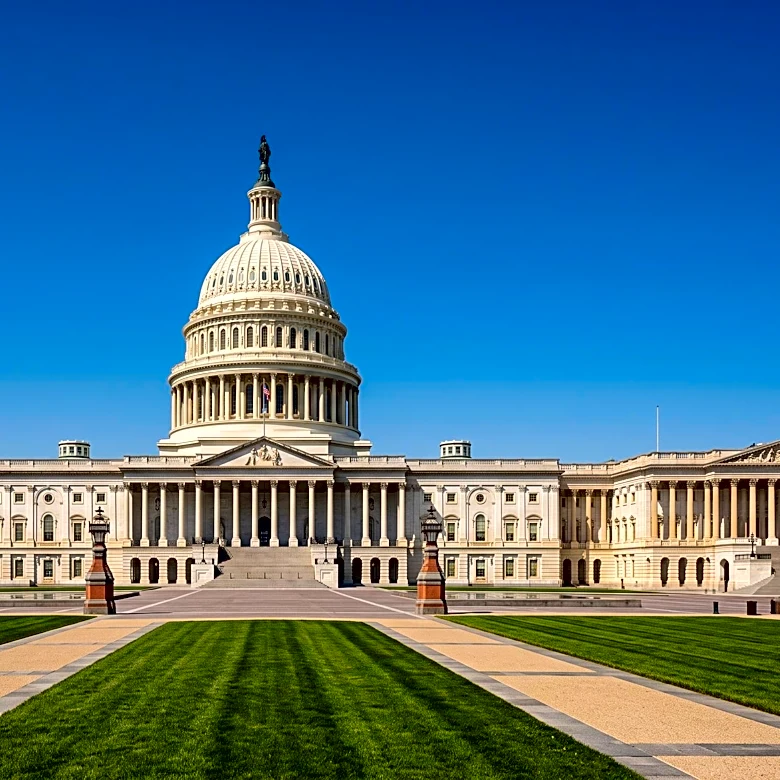
origins of the women's rights movement in the U.S. trace back to the World Anti-Slavery Convention in London in 1840, where several women, including Lucretia Mott and Elizabeth Cady Stanton, were denied access. This event spurred them to organize the first woman's rights convention in Seneca Falls, New York, in July 1848. At this convention, 12 resolutions were presented, advocating for women's equality in social, economic, legal, and representative spheres. The ninth resolution, which called for women's right to vote, initially faced concern but ultimately passed with the support of abolitionist Frederick Douglass. Following this, Susan B. Anthony joined Stanton in 1869 to establish the National Woman Suffrage Association (NWSA), which introduced an amendment in 1878. Despite being defeated in Congress in 1886, the movement persisted, with new states entering the union with constitutions that included women's voting rights. The 19th Amendment was eventually passed by Congress.
Why It's Important?
National Women's Equality Day is a significant annual observance that underscores the historical struggle and eventual triumph of women's suffrage in the United States. It serves as a reminder of the fundamental right to vote, which is a cornerstone of democratic participation and equality. The day highlights the long and arduous journey undertaken by pioneers like Lucretia Mott, Elizabeth Cady Stanton, and Susan B. Anthony, whose efforts laid the groundwork for women's full integration into the political process. The passage of the 19th Amendment not only enfranchised millions of women but also set a precedent for future civil rights movements, demonstrating the power of sustained advocacy and civil disobedience. This day is crucial for recognizing the ongoing importance of protecting and expanding voting rights for all citizens and for reflecting on the progress made and the challenges that still exist in achieving full gender equality across various sectors of society. It reinforces the idea that active participation in the democratic process is essential for societal advancement and the protection of individual liberties.
What's Next?
Annually, each President of the United States issues a proclamation declaring August 26th as Women's Equality Day, continuing the tradition established after Congress passed a joint resolution in 1973. This ongoing recognition ensures that the historical significance of the 19th Amendment and the broader women's rights movement remains in public consciousness. Future observances will likely continue to involve educational initiatives, public discussions, and events aimed at raising awareness about women's contributions to society and the persistent challenges to gender equality. Discussions around the Equal Rights Amendment (ERA) are also likely to continue, as it has been reintroduced in Congress every session since 1982, despite having been passed by the U.S. Senate in 1972 and ratified by only 35 states, falling short of the required three-fourths majority. These ongoing efforts suggest a continued focus on securing and expanding legal protections and opportunities for women in the U.S.
Beyond the Headlines
Beyond the immediate commemoration of voting rights, National Women's Equality Day carries deeper implications for the ongoing discourse on gender equality and human rights in the U.S. The historical context of the women's suffrage movement, which emerged from the denial of access at an anti-slavery convention, highlights the interconnectedness of various civil rights struggles. The initial reluctance to include the right to vote in the Seneca Falls resolutions, and its eventual passage with the support of an abolitionist, underscores the complex interplay of social justice movements. This day also prompts reflection on the evolution of women's roles in society, from being largely excluded from political life to holding positions of power and influence. The continued reintroduction of the Equal Rights Amendment, despite its long legislative journey, signifies an enduring commitment to enshrining gender equality explicitly in the Constitution, addressing legal and systemic disparities that persist. This ongoing pursuit reflects a broader societal aspiration for a more equitable and inclusive future, where the principles of equality are fully realized for all.