




What's Happening?
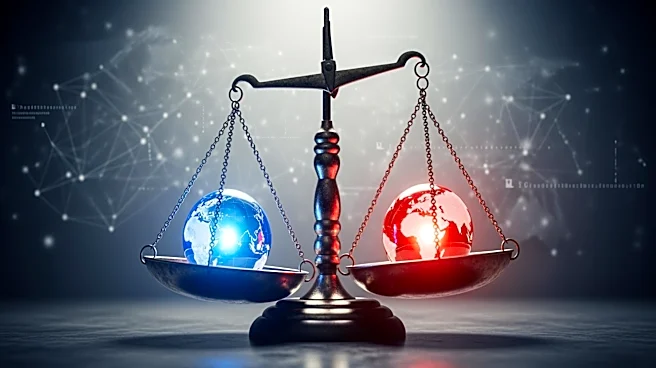
The World Trade Organization (WTO) is experiencing a significant decline in its influence as the United States and China engage in protectionist trade practices, openly defying the rules they previously agreed to. This situation has led to questions about
the WTO's ability to enforce international trade rules. The organization's credibility is further undermined by China's repeated violations of trade rules and President Trump's disregard for the WTO's 'most favored nation' principle through erratic tariff applications. Recent trade talks in Cameroon between the U.S. and Brazil collapsed, highlighting the WTO's struggles to implement necessary reforms, such as improving its dispute-settlement mechanisms.
Why It's Important?
The diminishing relevance of the WTO has significant implications for global trade dynamics, particularly affecting U.S. industries and consumers. The breakdown in trade negotiations and the inability to enforce rules could lead to increased trade tensions and economic instability. American consumers are directly impacted by the tariffs, as they bear the brunt of increased costs. The situation also raises concerns about the future of multilateral trade agreements and the potential for increased unilateral trade actions by major economies, which could disrupt global supply chains and economic growth.
What's Next?
The future of the WTO and its ability to enforce trade rules remains uncertain. Stakeholders, including political leaders and international trade bodies, may need to consider reforms to restore the organization's credibility and effectiveness. The ongoing trade disputes between the U.S. and China are likely to continue influencing global trade policies, potentially leading to further protectionist measures. The international community may need to explore alternative mechanisms for resolving trade disputes and promoting fair trade practices.