





What's Happening?
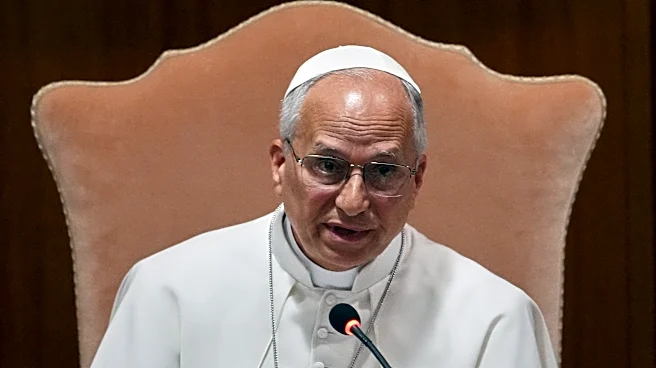
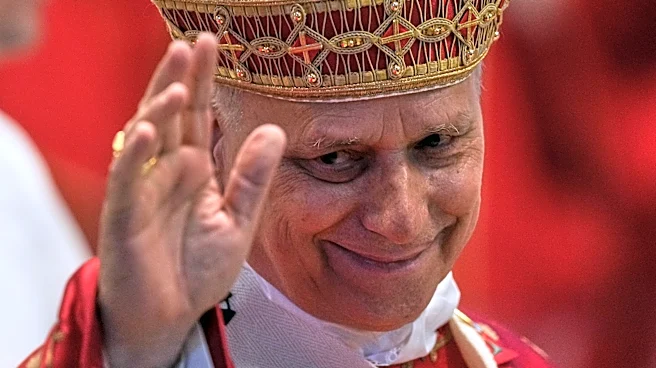
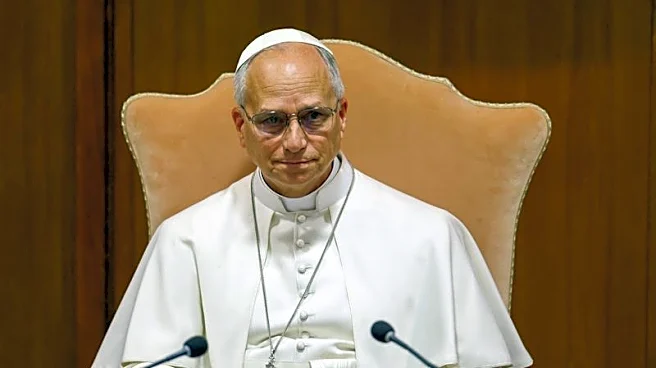
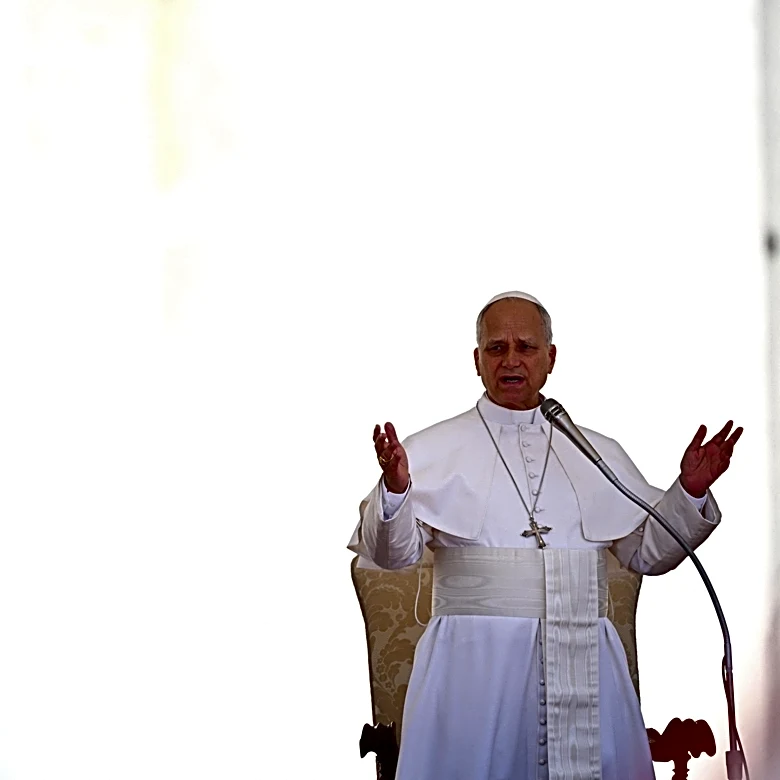
Pope Leo XIV has released his first encyclical, titled 'Magnifica Humanitas,' which calls for a moral framework to regulate artificial intelligence (AI). The document, spanning 42,300 words, emphasizes the need to safeguard humanity as AI technology continues
to evolve. The Pope, an American mathematician elected in May 2025, has made AI a central focus of his papacy. The encyclical addresses the concentration of power among tech companies and urges for AI to be 'disarmed,' meaning it should be freed from monopolistic control and opened to public debate. The Pope stresses the importance of shared ethical standards and warns against excessive reliance on AI, which could weaken personal creativity and judgment.
Why It's Important?
The encyclical is significant as it addresses the ethical implications of AI, a rapidly advancing technology with the potential to transform society. By advocating for a moral framework, Pope Leo XIV highlights the need for inclusive discussions on AI governance, involving not just tech companies but all of humanity. This approach could influence policymakers and tech companies as they develop strategies for AI regulation. The Pope's call to 'disarm AI' challenges the current power dynamics in the tech industry and promotes a more democratic approach to technology development, which could lead to more equitable outcomes for society.
What's Next?
The encyclical is expected to become a cornerstone text in discussions about AI regulation. Policymakers and tech companies may use it as a reference as they navigate the ethical challenges posed by AI. The Pope's emphasis on shared ethical standards could lead to increased collaboration between governments, tech companies, and civil society in developing AI policies. Additionally, the encyclical may inspire further dialogue within the Catholic Church and beyond about the role of technology in society and the importance of maintaining human dignity in the face of technological advancements.
Beyond the Headlines
The encyclical raises deeper questions about the role of technology in human life and the potential for AI to alter human relationships. By cautioning against excessive reliance on AI, the Pope highlights the risk of losing genuine human connections. This perspective encourages a broader reflection on how technology should be integrated into daily life without compromising fundamental human values. The document also underscores the need for a global conversation about the ethical use of AI, which could lead to long-term shifts in how societies approach technological innovation.