
What's Happening?
Iran is contemplating suspending or shutting down its nuclear program as a potential agreement with the United States looms, according to Iranian officials. This move aims to ease tensions amid the threat of a U.S. military strike. The proposal includes
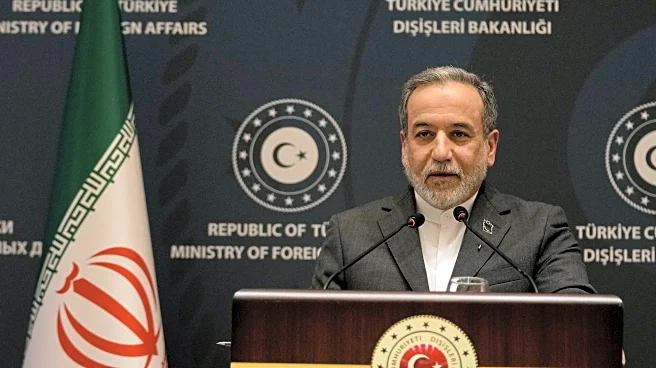
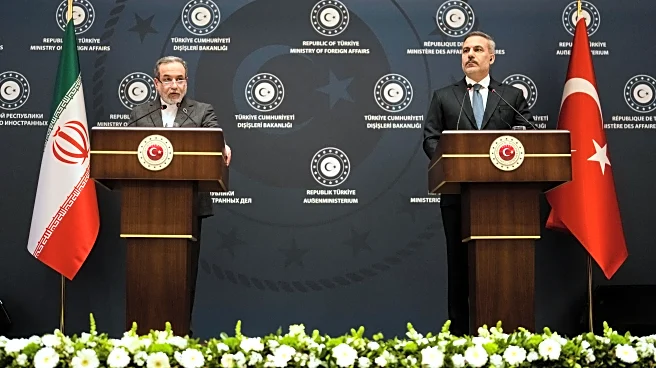
creating a regional consortium for nuclear energy, with uranium enrichment conducted outside Iran. Talks are scheduled in Istanbul between U.S. special envoy Steve Witkoff and Iranian Foreign Minister Abbas Araghchi. Despite heightened tensions, both parties remain in contact, facilitated by mediators from Turkey, Qatar, Oman, and Iraq. The discussions will focus solely on Iran's nuclear program, excluding its ballistic missile program, which has been a point of contention.
Why It's Important?
The potential suspension of Iran's nuclear program could significantly reduce regional tensions and avert a possible military conflict. The U.S. administration, under President Trump, has been pressing for a complete halt to uranium enrichment and limits on Iran's ballistic missile program. A successful agreement could stabilize the Middle East, impacting global oil markets and international relations. However, failure to reach a consensus could escalate tensions, affecting U.S. foreign policy and military strategy in the region. The outcome of these talks could also influence U.S. relations with allies like Israel, who are concerned about Iran's military capabilities.
What's Next?
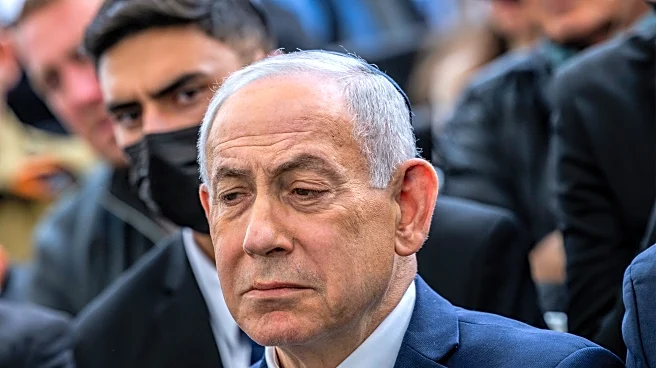
The upcoming talks in Istanbul will be crucial in determining the future of U.S.-Iran relations. If an agreement is reached, it could lead to the lifting of economic sanctions on Iran, providing relief to its struggling economy. However, if talks fail, the risk of military confrontation remains high. The involvement of regional mediators suggests a concerted effort to find a diplomatic solution. The U.S. envoy's visit to Israel indicates ongoing consultations with key allies, which could shape the U.S. approach to the negotiations.