



What's Happening?
Indigenous communities in the Asia-Pacific region, such as the Akha village in Northern Thailand, are facing severe challenges due to the climate crisis. These communities, known for their sustainable coffee production, are experiencing devastating impacts
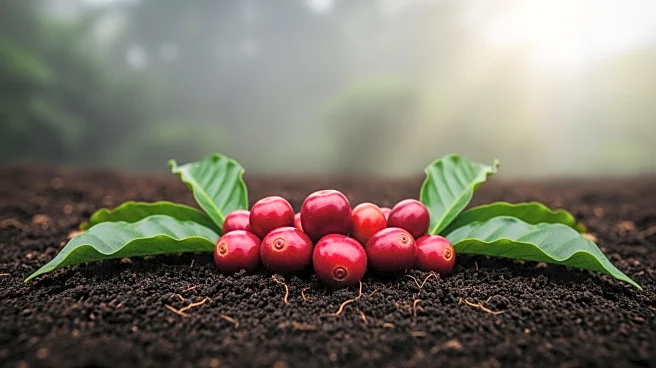
from extreme weather events like floods, typhoons, and landslides. The Akha community uses agroforestry methods to grow coffee, which helps preserve cultural heritage and biodiversity. However, rising temperatures and unpredictable weather patterns are threatening their livelihoods. Droughts are depriving coffee trees of necessary moisture, while pests like the coffee berry borer are reproducing more rapidly due to warmer conditions. These challenges are compounded by sudden 'rain bombs' and unexpected frosts, which damage crops and farmland.
Why It's Important?
The situation underscores the vulnerability of traditional farming practices to climate change and highlights the importance of sustainable agricultural methods. The challenges faced by these communities are a microcosm of the broader global issue of climate change impacting food security and agricultural sustainability. The reliance on indigenous knowledge and agroecological practices offers a potential model for resilience, emphasizing the need for diversified farming systems that can withstand environmental shocks. The preservation of cultural heritage and biodiversity through these practices is crucial not only for the communities involved but also for global efforts to combat climate change and promote sustainable development.
Beyond the Headlines
The experiences of these communities highlight the critical role of indigenous knowledge in addressing climate challenges. Agroecology, which integrates traditional practices with modern sustainability principles, offers a pathway to resilience. This approach not only supports food security but also contributes to climate mitigation by enhancing biodiversity and carbon sequestration. The involvement of women as guardians of native seeds further emphasizes the cultural and social dimensions of these practices. As climate change continues to pose significant threats, the lessons learned from these communities could inform broader strategies for sustainable agriculture and environmental conservation.