








What's Happening?
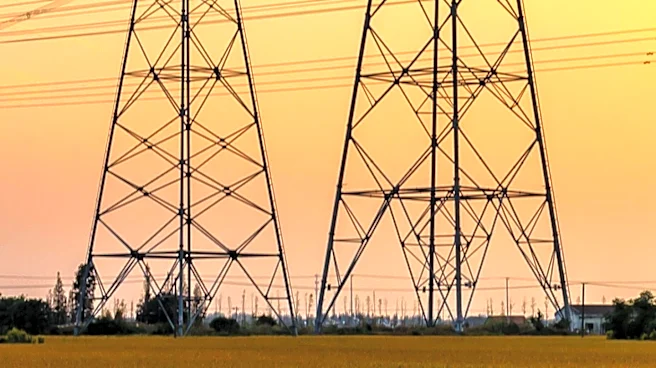
Frequent power cuts are severely impacting Bangladesh's rural economy, disrupting agricultural production, poultry farming, fisheries, and small industries. Despite some improvements in power supply, many rural areas continue to experience prolonged outages,
leading to increased operating costs and threatening livelihoods. The southern region, particularly Barishal division, faces acute electricity shortages, affecting ice production crucial for the fishing industry. Poultry farms are losing birds due to heat stress exacerbated by power failures, while shrimp farming in coastal areas is at risk due to non-operational aerators. Businesses are forced to rely on costly diesel generators, further straining financial resources.
Why It's Important?
The ongoing power crisis in rural Bangladesh highlights the vulnerability of essential sectors like agriculture and small industries to infrastructure challenges. The disruptions threaten food security and economic stability, as these sectors are critical to the livelihoods of millions. The reliance on diesel generators increases production costs, potentially leading to higher prices for consumers and reduced competitiveness in export markets. Addressing these power shortages is crucial for sustaining economic growth and improving living standards in rural communities.
What's Next?
Efforts to improve power distribution and infrastructure are essential to mitigate the impact of these outages. Authorities may need to prioritize electricity supply to critical sectors like agriculture and fisheries to prevent further economic losses. Long-term solutions could involve investments in renewable energy and grid improvements to ensure reliable power supply. The government and stakeholders must collaborate to address these challenges and support affected communities.