



What's Happening?
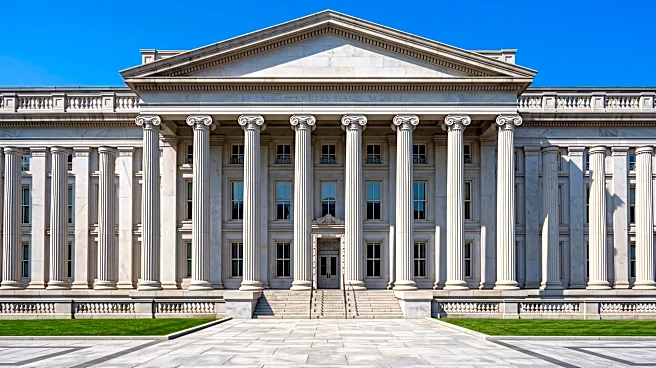
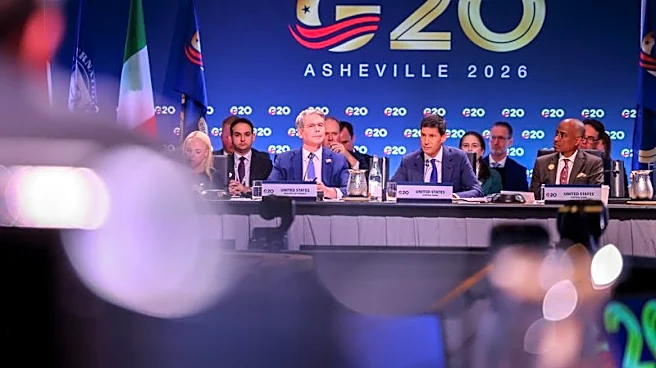
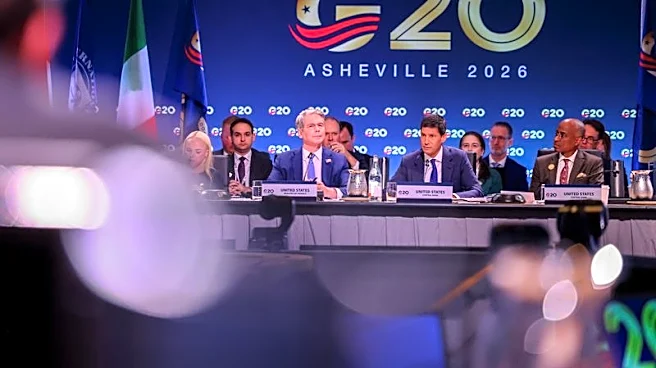
The U.S. Treasury Department has denied credentials to several journalists from prominent news organizations, including The New York Times, The Wall Street Journal, and Bloomberg News, preventing them from covering the Group of 20 (G20) finance ministers'
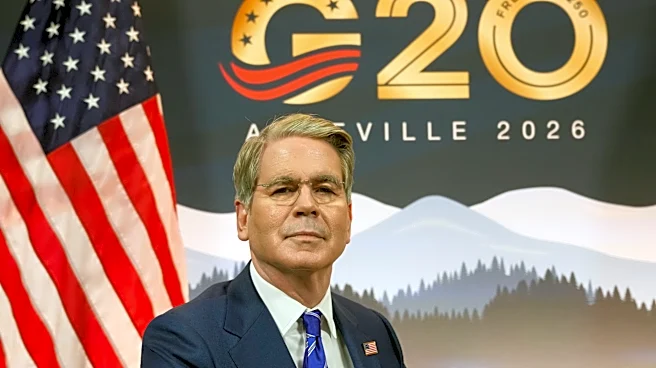
meeting in Asheville, North Carolina. This decision has been met with strong condemnation from the affected news outlets, with The New York Times calling it "not just another disturbing effort by the administration to undermine independent journalism, but a blatant attempt to evade public scrutiny." Treasury Secretary Scott Bessent stated that the decision was not related to the journalists' points of view. The denied access includes Alan Rappeport of The New York Times, who has covered such meetings since 2017, though another Times reporter, Jim Tankersley, was granted access. Bloomberg News reported that numerous journalists, including those based in Europe and Asia, had their accreditation requests rejected, asserting that this action "undermines media freedom and public accountability."
Why It's Important?
This restriction on media access to a significant international financial meeting raises concerns about transparency and press freedom within the U.S. The G20 finance ministers' meeting addresses critical global economic issues, including the war in Iran, sanctions, bond markets, and inflation, all of which have substantial implications for the global economy and American citizens. Limiting the ability of independent journalists to report on these discussions can hinder public understanding of complex financial policies and their potential impacts. The move is seen as part of a broader pattern by the Trump administration to control information and restrict media access, which could erode public trust in government institutions and the democratic process. For financial markets and the public, a lack of comprehensive and independent reporting on such events can lead to an information vacuum, potentially affecting investment decisions and economic stability.
What's Next?
The immediate consequence is that the public will receive less comprehensive reporting on the G20 finance ministers' meeting from some of the nation's leading financial news outlets. This incident may prompt further discussions and actions from press freedom organizations and media advocacy groups, potentially leading to increased scrutiny of the administration's media policies. It could also influence how future government events are covered and the level of access granted to journalists. The ongoing tensions between the U.S. media and the Trump administration are likely to continue, with potential for further legal challenges or policy changes regarding press credentials and access to government officials and events. The incident may also encourage other international bodies or host nations to re-evaluate their own media access policies for high-level meetings.
Beyond the Headlines
The deeper implication of this action extends to the fundamental role of a free press in a democratic society. By selectively denying access to journalists, the Treasury Department risks setting a precedent that could normalize government control over information dissemination, potentially leading to a less informed public and reduced accountability for those in power. This move could also contribute to a chilling effect on investigative journalism, as news organizations may fear reprisal or exclusion for critical reporting. The incident highlights the ongoing struggle between government administrations seeking to manage narratives and the media's constitutional role as a watchdog. It underscores the importance of independent journalism in providing diverse perspectives and holding powerful institutions accountable, especially when discussing matters of global economic significance that directly affect the lives of ordinary citizens.