


What's Happening?
Indonesia's Coordinating Minister for Economic Affairs, Airlangga Hartarto, has confirmed ongoing negotiations with the United States regarding access to Indonesia's critical minerals. This is part of broader tariff negotiations that have seen U.S. import
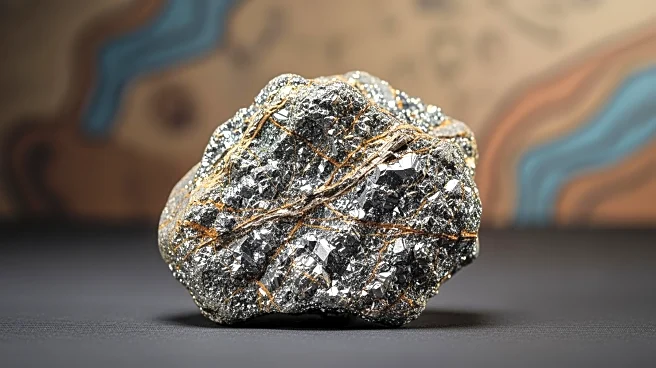
tariffs on Indonesian products reduced from 32% to 19%. The U.S. is particularly interested in minerals such as copper, nickel, bauxite, and rare earth metals, which are essential for various industries including automotive and defense. The discussions involve business-to-business processes between U.S. companies and Indonesian mineral firms. The Agreement on Reciprocal Tariff (ART) is expected to be signed by President Prabowo Subianto and President Trump by the end of January 2026.
Why It's Important?
The negotiations highlight the strategic importance of critical minerals in global trade and industry, particularly for the U.S., which seeks to secure supply chains for essential materials used in high-tech and defense sectors. The reduction in tariffs and increased access to Indonesian minerals could strengthen economic ties between the two countries and provide a boost to U.S. industries reliant on these resources. For Indonesia, the agreement represents an opportunity to enhance its export market and attract further investment from U.S. companies. The outcome of these negotiations could influence global mineral markets and trade dynamics, particularly in the context of increasing demand for sustainable and technologically advanced products.
What's Next?
The completion of the ART and the formalization of mineral access agreements are anticipated in early 2026. Both countries are likely to continue discussions to finalize the terms and ensure mutual benefits. The U.S. may also explore additional partnerships with other countries to diversify its mineral supply sources. The successful implementation of these agreements could lead to further economic collaboration between Indonesia and the U.S., potentially setting a precedent for similar agreements with other nations.