



What's Happening?
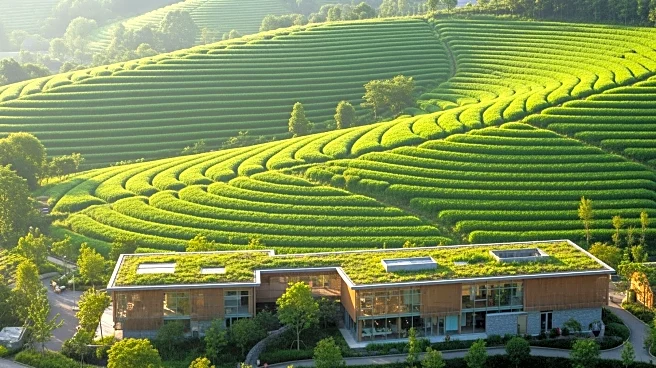
The Galilee Eco Center is establishing a regenerative agriculture and ecological education campus in Israel's Upper Galilee. This initiative, which began as a dream among friends, aims to recreate American-style Jewish farms and ecological learning centers
in Israel. The project has faced significant challenges, including navigating Israel's complex agricultural bureaucracy, strict regulations, and high compliance costs. Despite these hurdles, the center has secured land and funding, and is now a registered nonprofit in both Israel and the U.S. The center plans to offer educational programs and volunteer opportunities, integrating regenerative farming with Jewish learning.
Why It's Important?
The development of the Galilee Eco Center is significant as it represents a commitment to sustainable agriculture and environmental education in Israel. By integrating regenerative farming practices, the center challenges the region's dominant monoculture approach, promoting biodiversity and ecological responsibility. This initiative also strengthens cultural and communal ties by connecting Jewish traditions with modern environmental practices. The center's success could inspire similar projects, fostering a broader movement towards sustainable agriculture and education in Israel and beyond.
What's Next?
The Galilee Eco Center plans to expand its educational offerings and strengthen partnerships with North American and Israeli organizations. As the center develops, it will likely face ongoing challenges related to regulatory compliance and funding. However, with a growing executive board and support from international partners, the center is poised to overcome these obstacles. Future steps include formalizing educational programs and increasing community engagement through volunteer and service-learning opportunities.
Beyond the Headlines
The Galilee Eco Center's efforts highlight the intersection of cultural heritage and environmental stewardship. By rooting its practices in Jewish traditions, the center not only promotes ecological sustainability but also reinforces cultural identity and community resilience. This approach may serve as a model for other regions seeking to balance cultural preservation with modern environmental challenges.