





What's Happening?
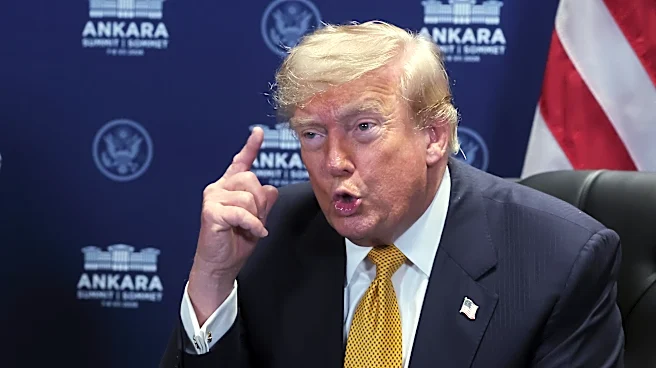
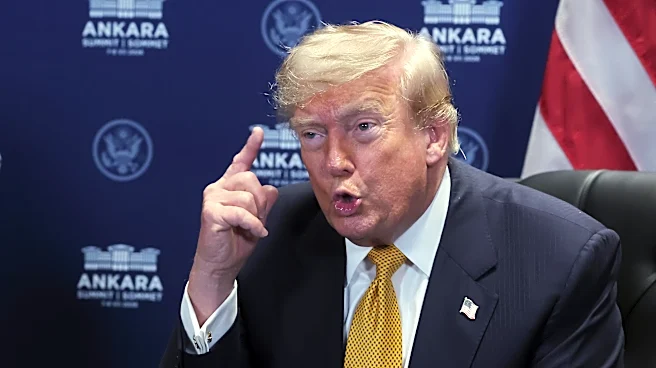
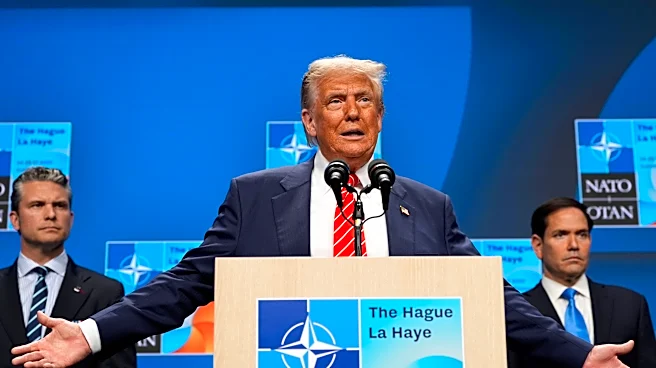
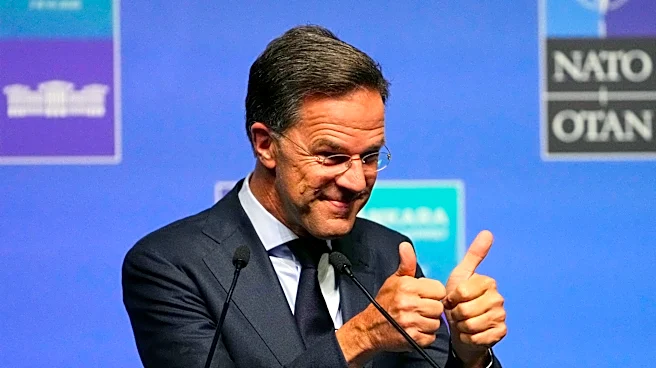
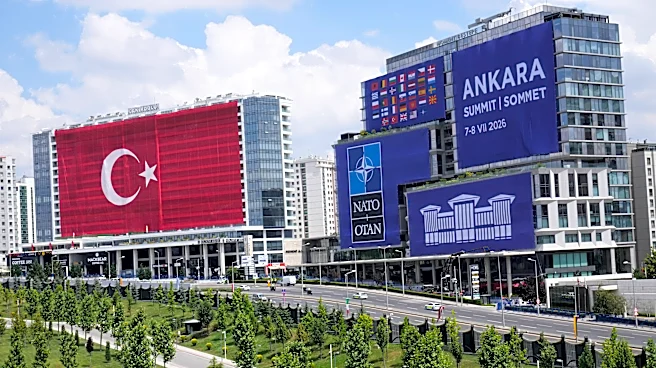
President Trump has announced a potential halt to all trade and tourism with Spain, citing the country's refusal to increase its military spending and allow U.S. military operations related to the Iran conflict. This announcement was made during a NATO
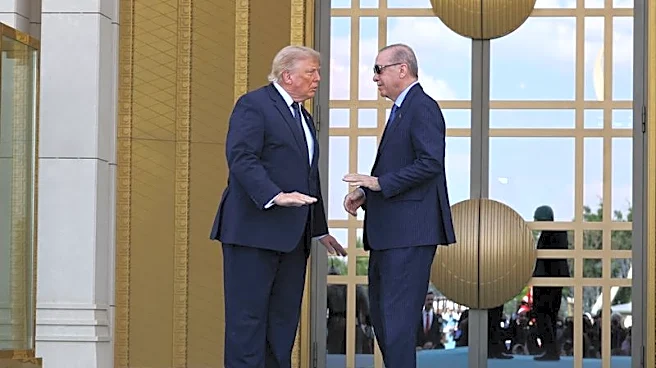
summit in Ankara, Turkey, where Trump criticized Spain for not contributing adequately to NATO. The Spanish government, led by Prime Minister Pedro Sánchez, has responded by downplaying the threats, emphasizing their existing defense spending and the private nature of economic ties. Despite Trump's threats, Spain has maintained its stance and highlighted its contributions to NATO.
Why It's Important?
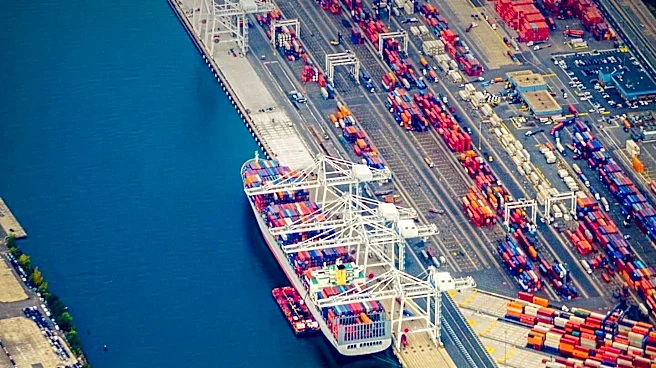
The potential cessation of trade and tourism between the U.S. and Spain could have significant economic implications. Spain is a member of the European Union, which handles trade policy for its members, complicating any unilateral U.S. actions. The U.S. currently runs a trade surplus with Spain, and nearly 4.5 million Americans visited Spain last year, indicating strong economic ties. Any disruption could affect businesses and tourism industries in both countries. Additionally, this move could strain U.S.-EU relations, as Spain is part of the EU's collective defense and economic policies.
What's Next?
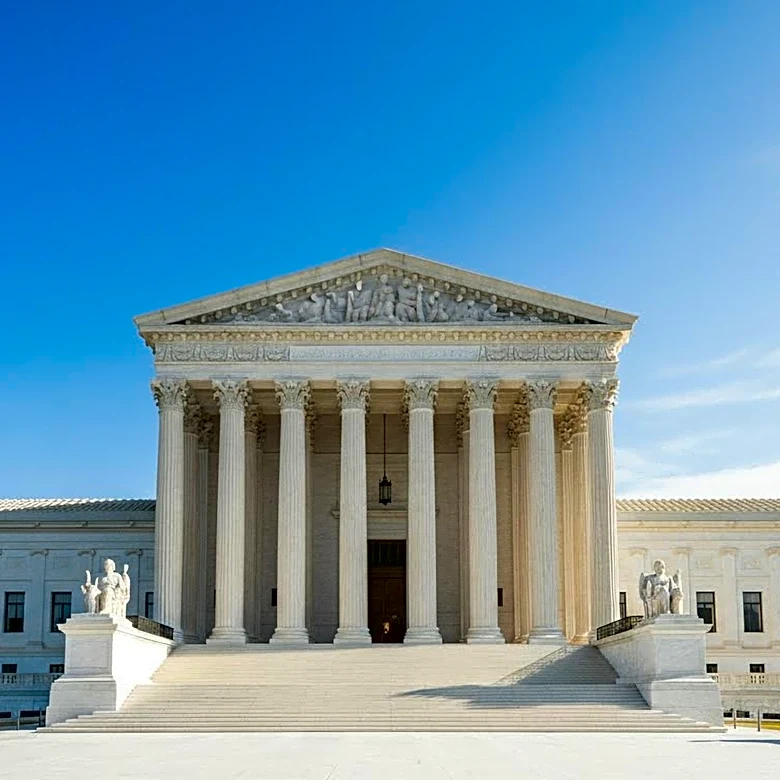
It remains unclear how President Trump might implement these trade and tourism restrictions, as such actions would likely face legal challenges. The White House and Treasury Department have not released further details on potential measures. The situation could lead to diplomatic negotiations or further tensions within NATO, especially if other member countries perceive the U.S. actions as undermining the alliance's unity. The response from the EU and other NATO members will be crucial in determining the next steps.