
What's Happening?
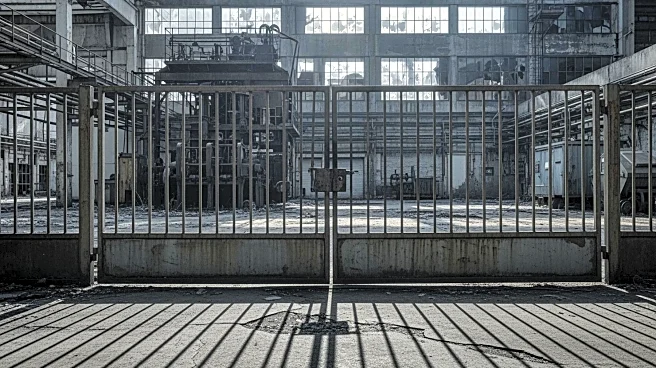
Faber-Castell, the world's largest pencil maker, has accused the Costa Rican government of misusing a former factory site, which was donated for humanitarian purposes, as a detention center for asylum
seekers deported by the Trump administration. The facility, located in southern Costa Rica, was intended to serve as a shelter for migrants. However, it has reportedly been used to detain individuals deported from the U.S., including families and children. Faber-Castell was unaware of this change in use until contacted by The Guardian. The Costa Rican government denies the allegations, stating that the facility was used temporarily for humanitarian reasons.
Why It's Important?
This situation highlights the complexities and challenges of international migration policies, particularly in the context of U.S. deportation practices. The use of a facility intended for humanitarian aid as a detention center raises ethical and legal questions about the treatment of migrants and the responsibilities of host countries. It also underscores the potential for miscommunication and misuse of donated resources, which can have significant human rights implications. The incident may affect Costa Rica's international reputation and its relations with donor countries and organizations.
What's Next?
Faber-Castell has not indicated whether it will take further action, but the situation may lead to increased scrutiny of Costa Rica's handling of deportees and its agreements with donor organizations. Human rights groups may continue to monitor and report on the conditions at the facility, potentially leading to legal challenges or international pressure for policy changes. The Costa Rican government may need to address these concerns to maintain its standing as a humanitarian leader in the region.