

What's Happening?
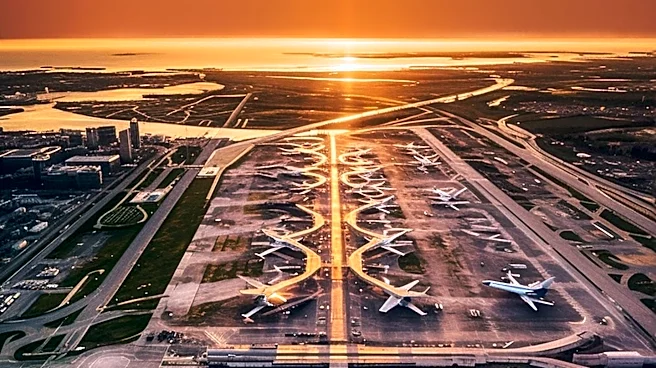
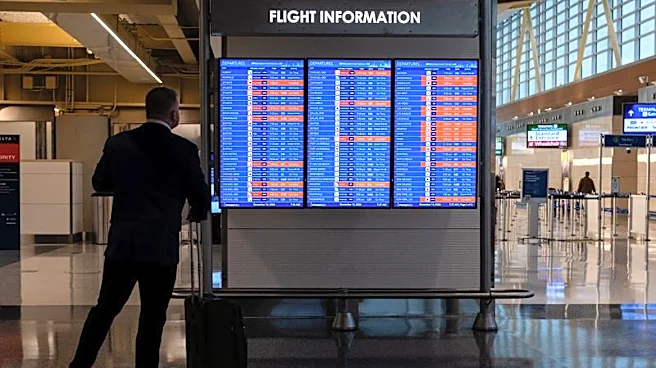
Travelers at Dallas-Fort Worth International Airport (DFW) are still experiencing significant delays, cancellations, and uncertainty days after a Federal Aviation Administration (FAA) ground stop disrupted flights nationwide. The initial ground stop,
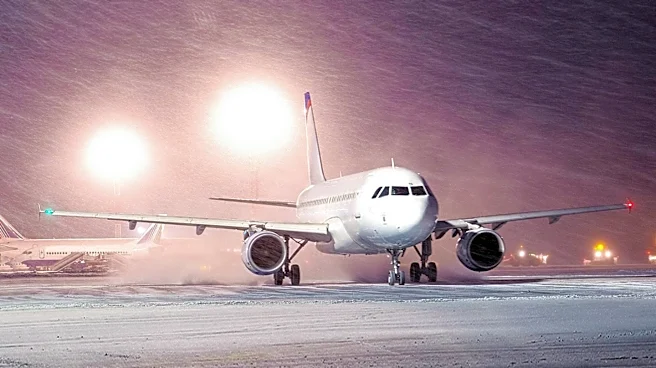
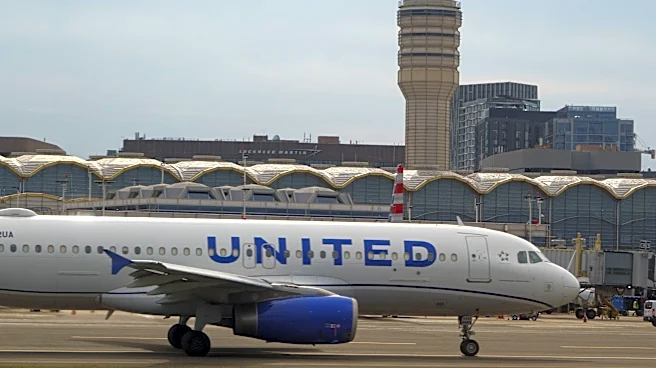
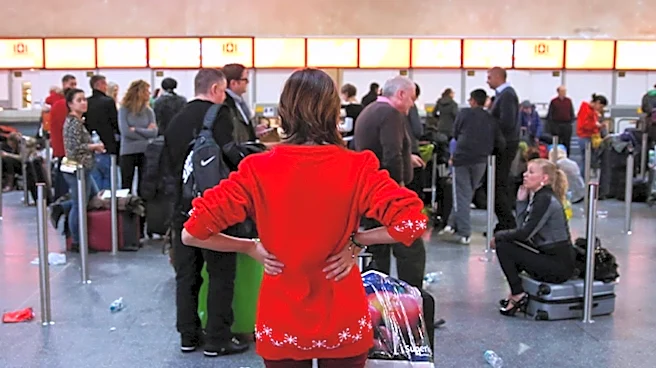
issued on a Friday, led to widespread flight disruptions, and DFW, as the second-busiest airport in the country, continues to feel the ripple effects. Many passengers, including Antonio Francis, who traveled for a Dallas Cowboys game, have faced extended waits and rescheduling. Mellie Joiner, another traveler, had her entire trip to Atlanta canceled due to the ground stop. Airlines are actively working to normalize operations, but the extensive nature of the disruptions means a full return to regular schedules is taking time. Over 12,000 flights were canceled on the initial Friday, and by Monday afternoon, more than 3,800 delays and over 300 cancellations involving flights into and out of the United States were still being reported.
Why It's Important?
The prolonged impact of the FAA ground stop on DFW Airport highlights the vulnerability of the U.S. air travel system to widespread disruptions. As a major hub, DFW's operational challenges affect not only local travelers but also national and international connections, impacting business travel, tourism, and supply chains. The economic implications are substantial, with canceled trips leading to lost revenue for airlines, hotels, and related services. For individuals, the disruptions cause significant personal inconvenience, financial losses from missed events or non-refundable bookings, and increased stress. The incident underscores the critical need for robust and resilient air traffic control systems and contingency plans to minimize the cascading effects of such events on the national economy and public mobility.
What's Next?
Airlines are focused on returning flights and passengers to their scheduled itineraries, a process expected to take additional time given the scale of the initial disruption. Travelers planning to fly through DFW or other affected airports are strongly advised to check with their respective airlines for the latest updates before heading to the airport. The FAA may also conduct reviews to understand the cause and impact of the ground stop, potentially leading to adjustments in air traffic control protocols or infrastructure investments. The incident could prompt discussions among aviation authorities, airlines, and policymakers regarding strategies to enhance the resilience of the national airspace system against future widespread interruptions.
Beyond the Headlines
The FAA ground stop and its lingering effects at DFW Airport reveal deeper implications concerning the modernization and reliability of critical national infrastructure. Beyond the immediate travel chaos, such events can erode public confidence in air travel and highlight the interconnectedness of various sectors. The incident may also spark a broader conversation about the balance between security, efficiency, and redundancy in air traffic management. Furthermore, the reliance on a centralized system for air traffic control means that a single point of failure can have disproportionate national consequences, prompting a re-evaluation of distributed or more resilient architectural approaches for critical systems.